Updating a 1970s or 1980s Brick-Veneer Home: Where to Start
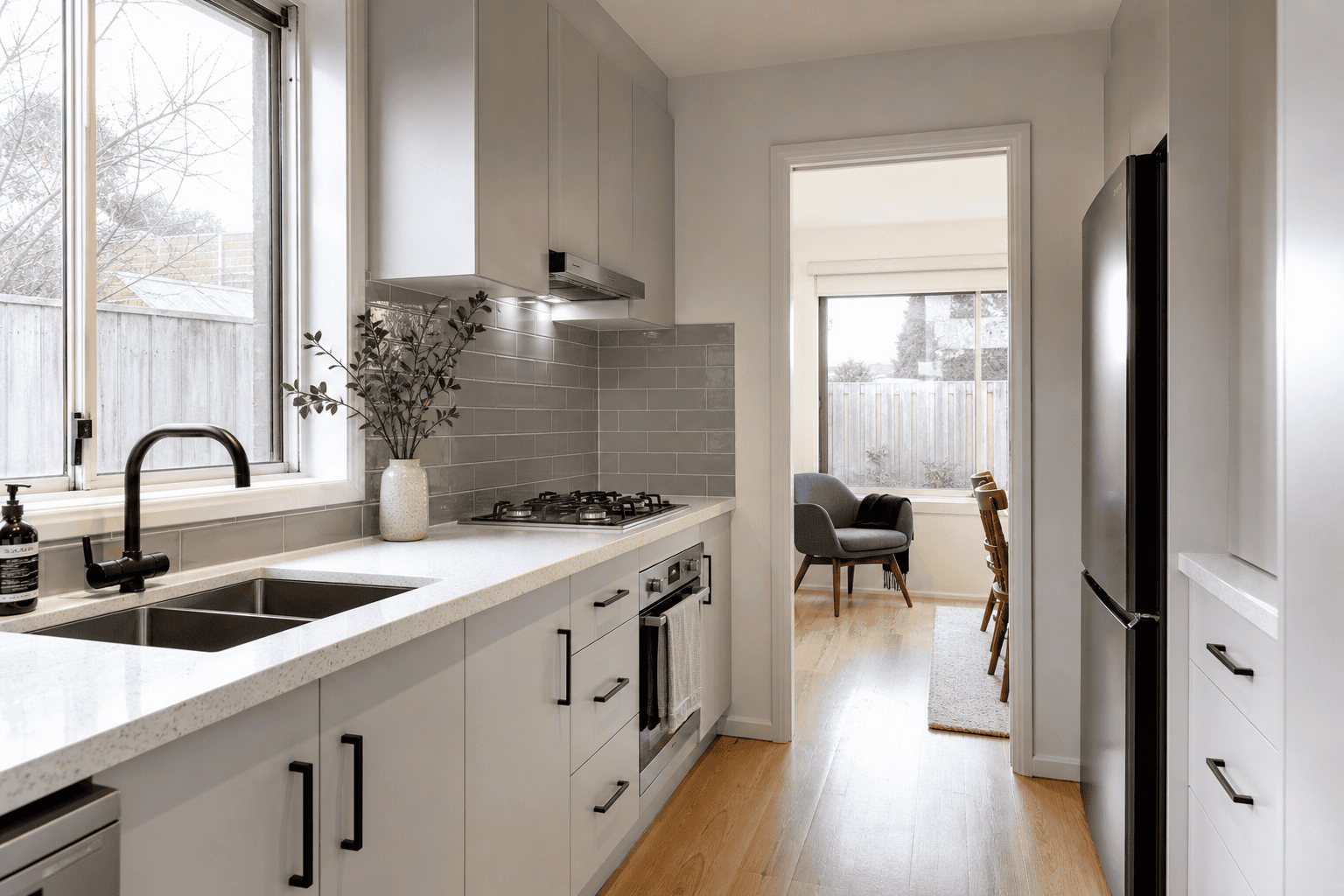
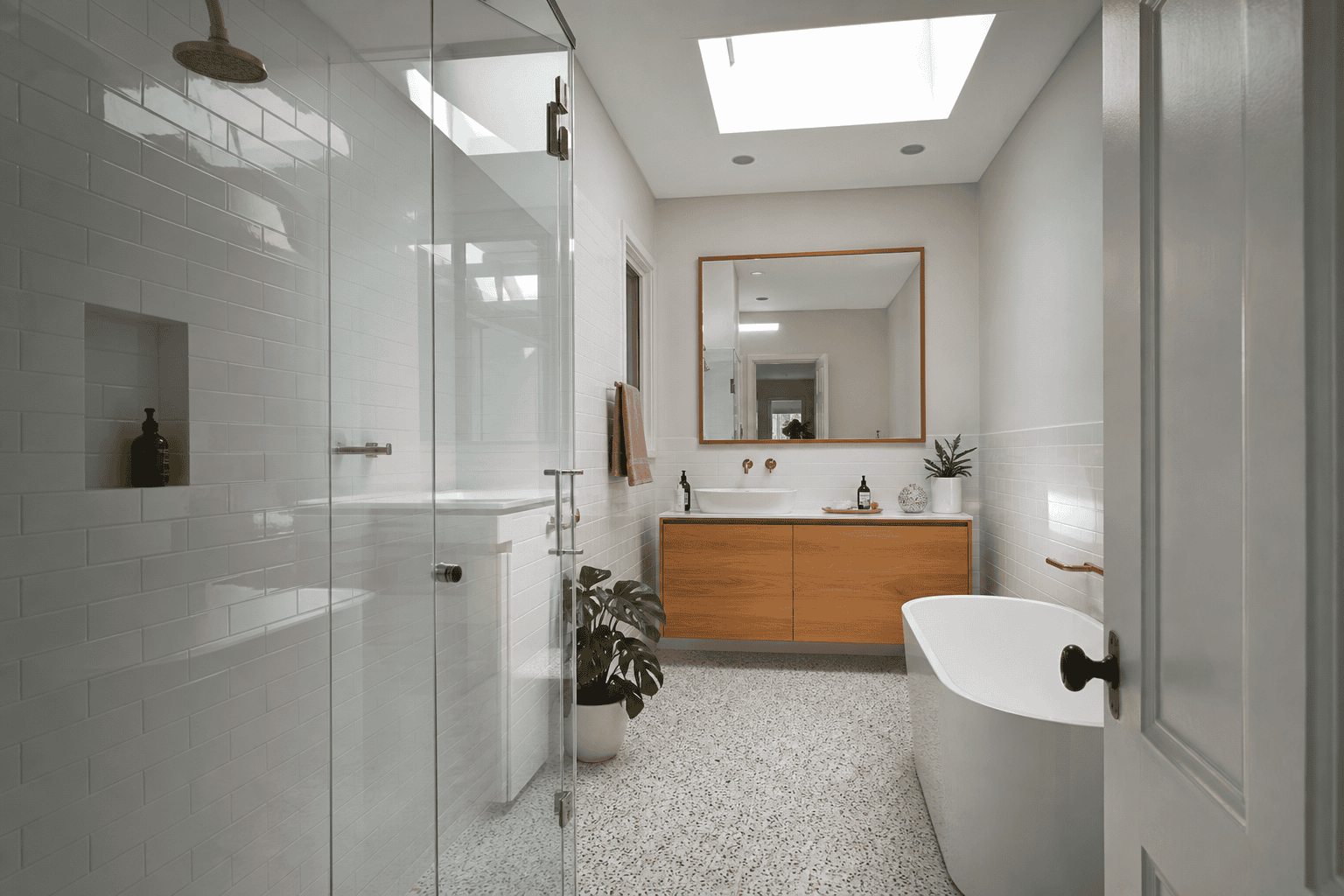
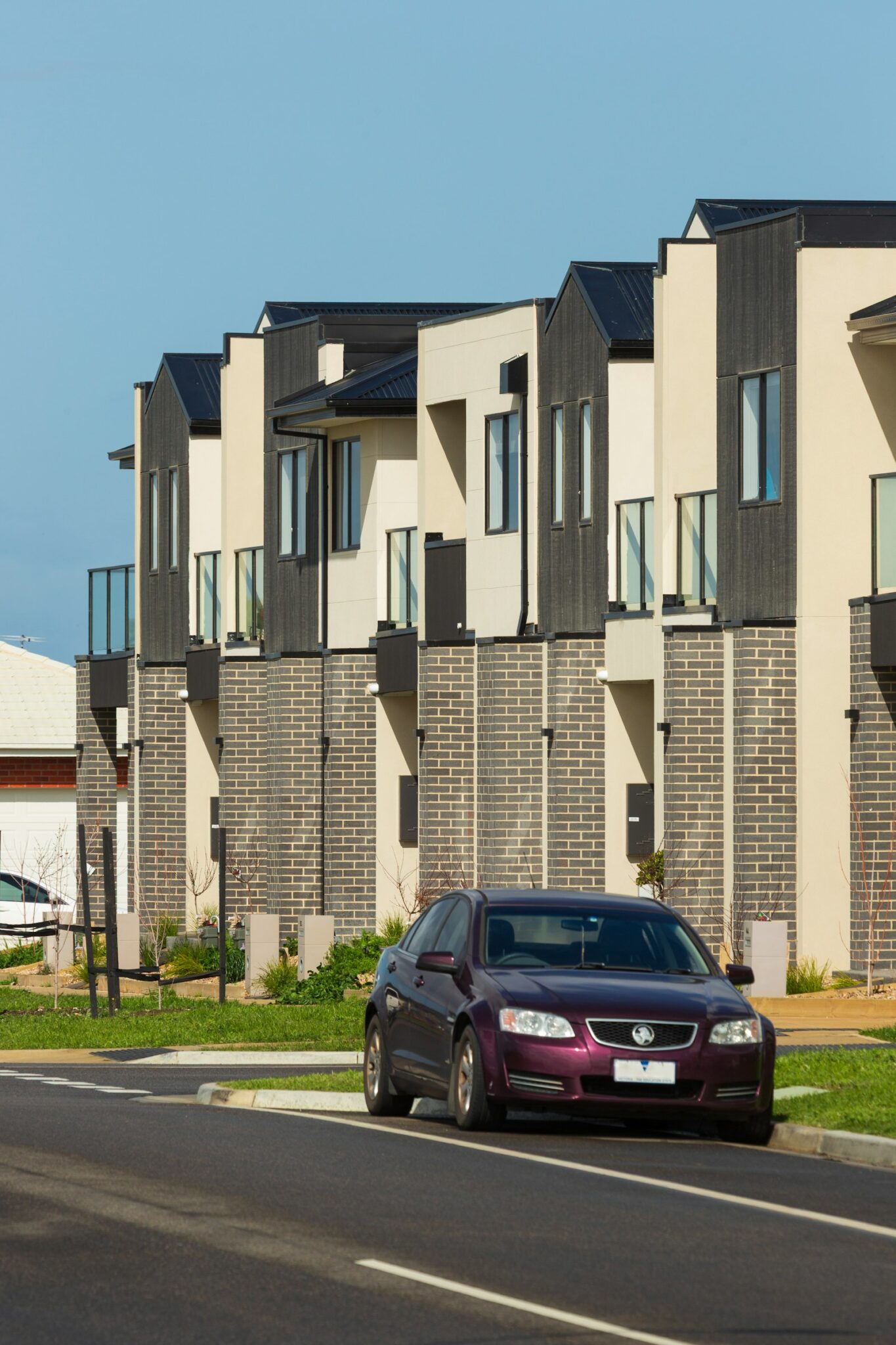
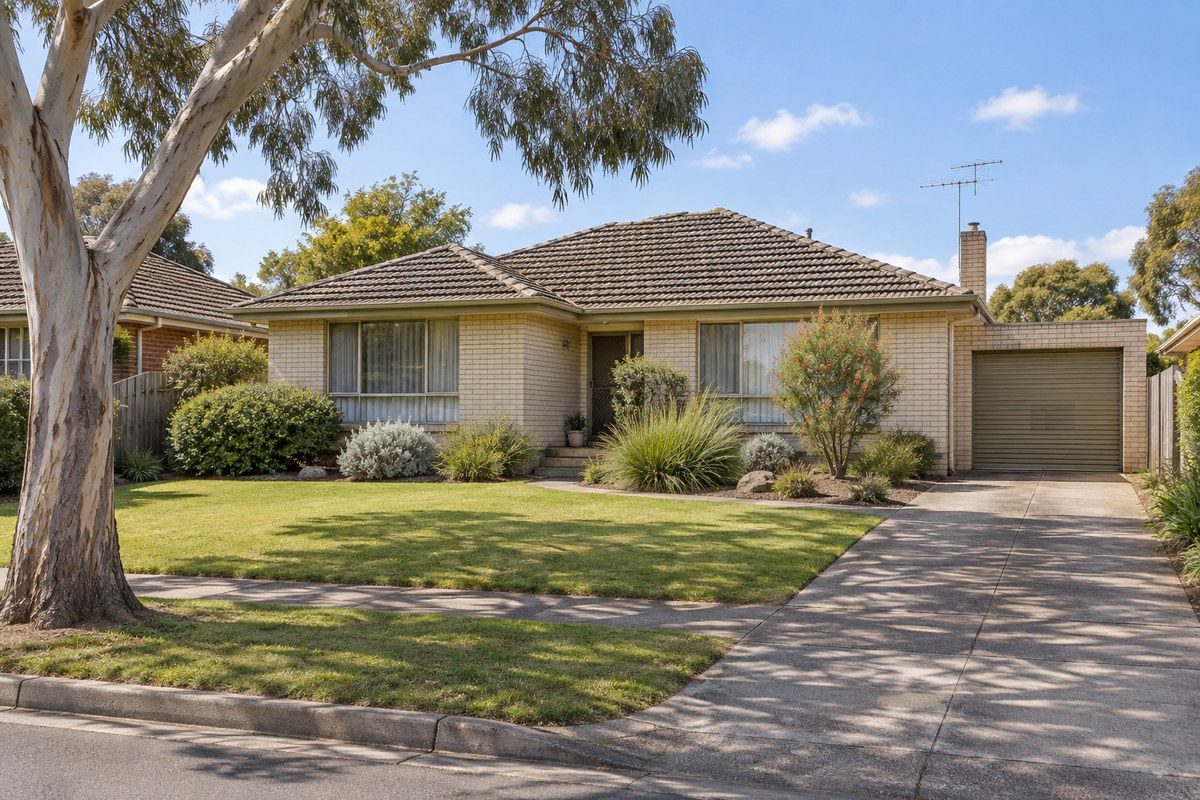
Updating a 1970s or 1980s brick-veneer home works best when you start with its condition, check for asbestos and permits early, and focus on light, flow and comfort before finishes.
Updating a 1970s or 1980s brick-veneer home works best when you start with its condition, check for asbestos and permits early, and focus on light, flow and comfort before finishes.
Small apartment improvements should focus on lighting, storage, repairs, working appliances and balcony presentation.
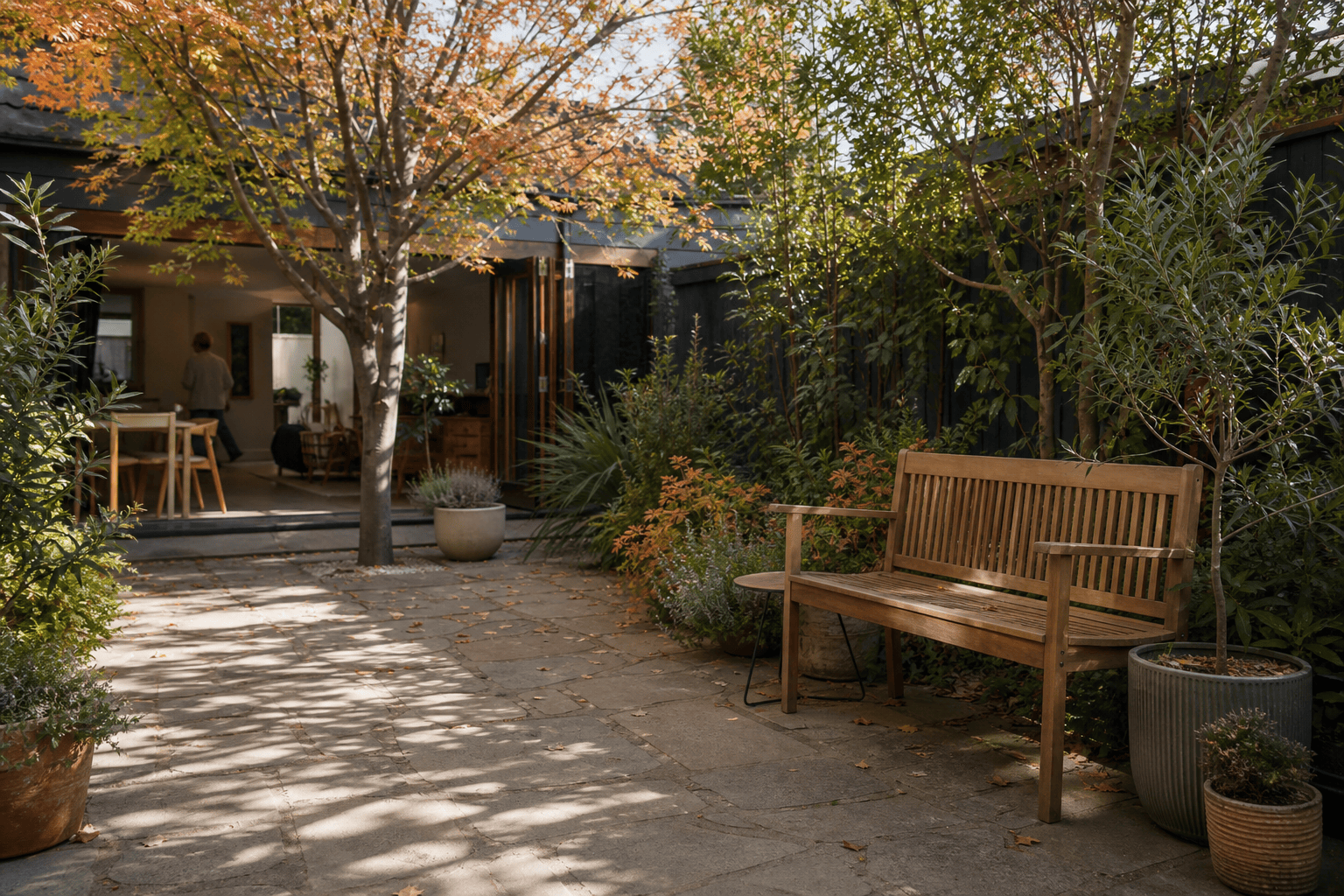
Useful outdoor spaces are practical, low-maintenance and easy for buyers or renters to understand at inspection.
Victorian buyers notice practical comfort signals: insulation, draught sealing, cooling, shade and documented maintenance.
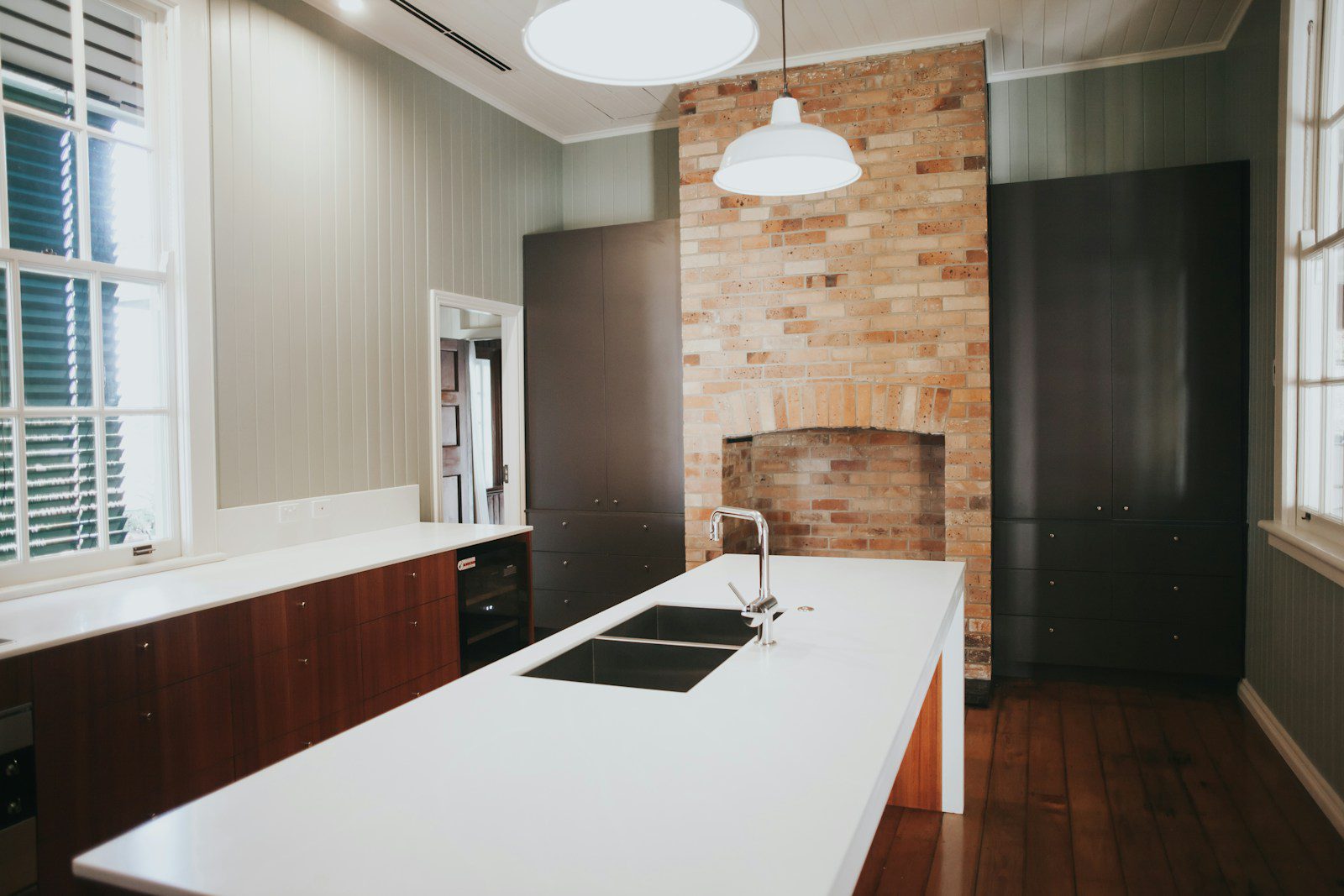
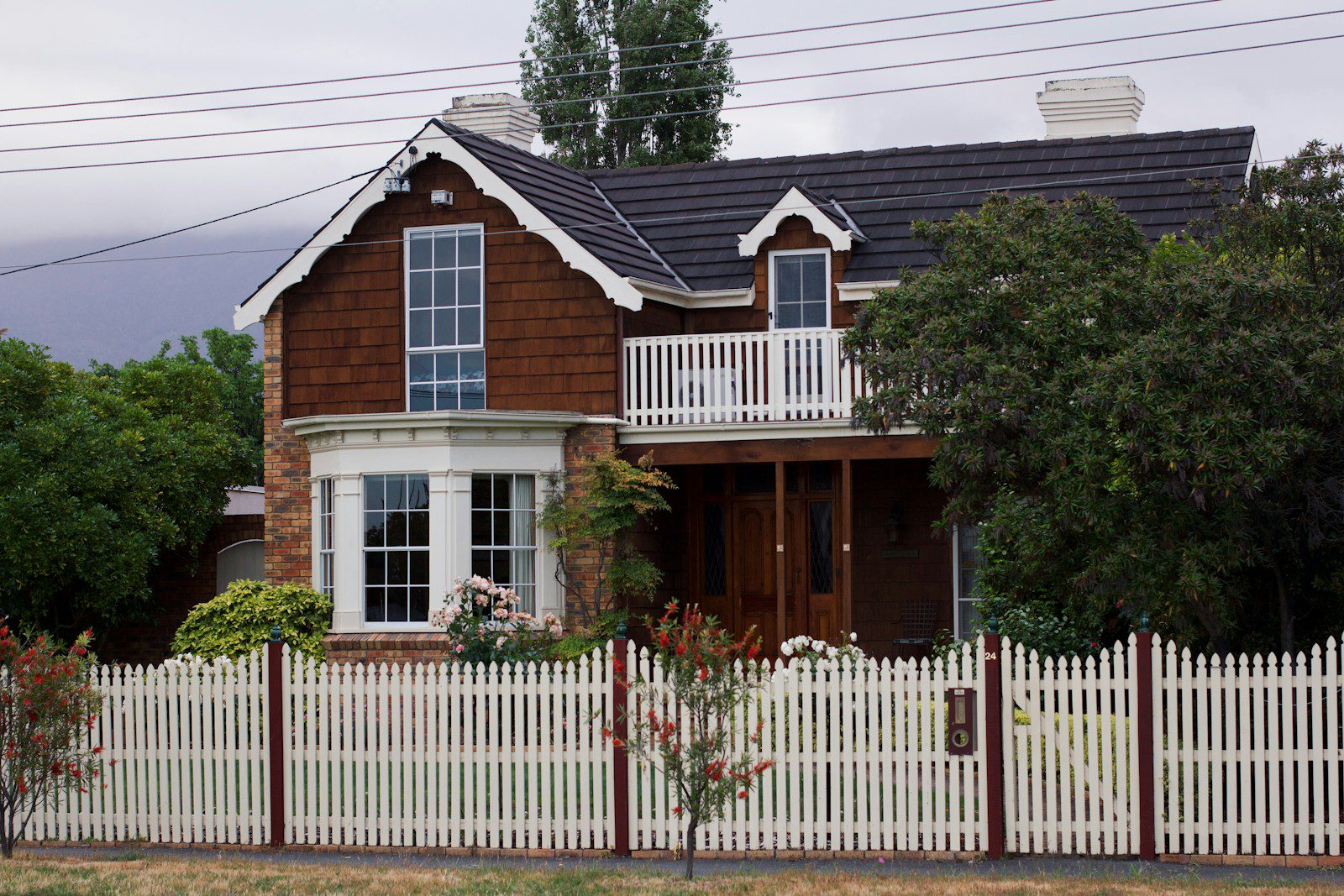
Period-home updates work best when repairs, comfort and function support the original character rather than competing with it.
Useful pre-sale renovations help buyers understand condition, comfort and value without overcapitalising before launch.
Small apartment improvements work best when they make the home feel brighter, cleaner, warmer and easier to understand in winter.
Good outdoor spaces do not need to be large. They need to feel usable low-maintenance and connected to the way people live.
In summer inspections, buyers notice energy efficiency through comfort, shade, ventilation, cooling and the likely cost of running the home.
A rental renovation helps return when it improves durability, compliance, comfort or tenant appeal without relying on overcapitalised finishes.