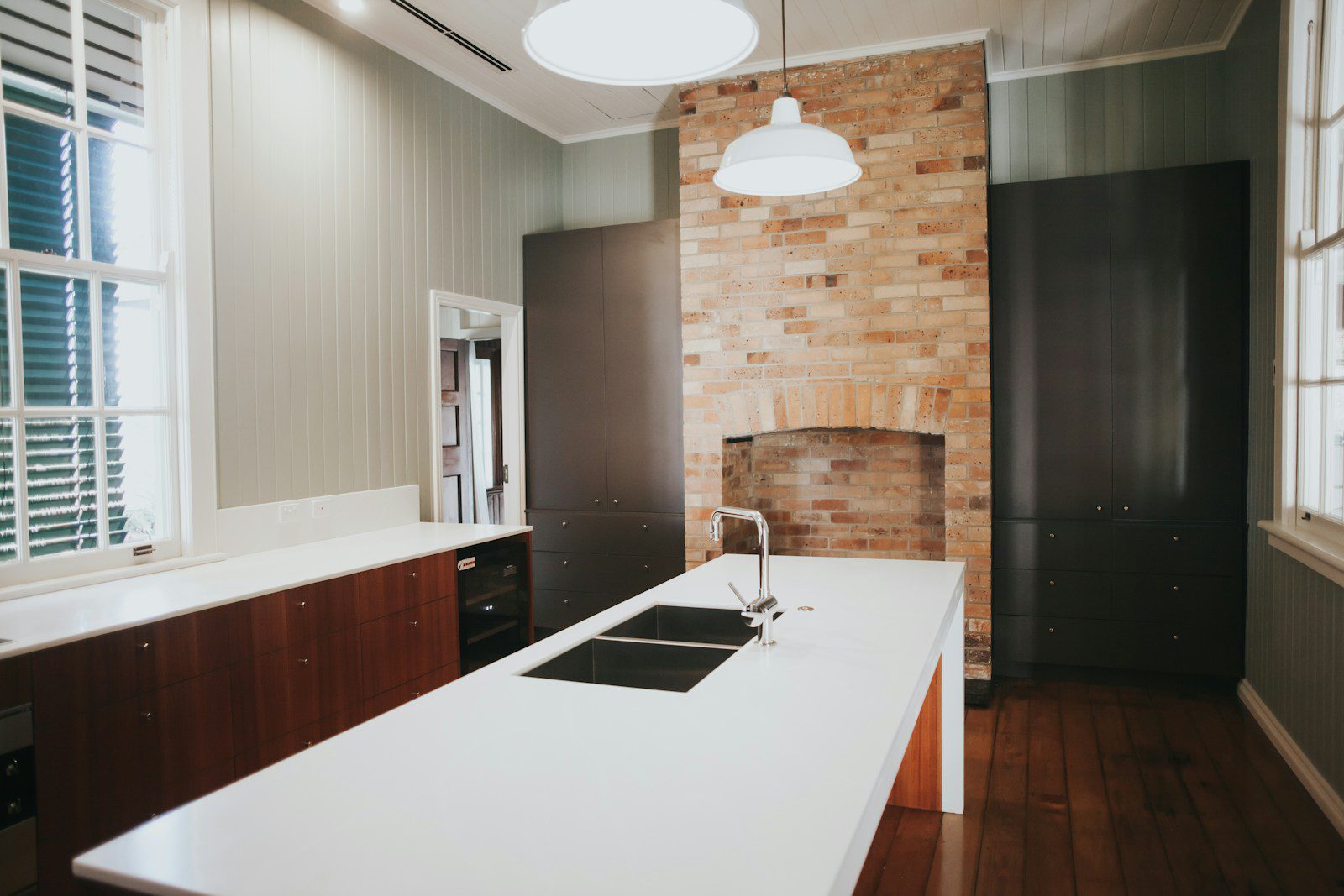
Updating a Period Home Without Losing Character
Period homes appeal because they carry detail, proportion and history. The challenge is to improve comfort and function without removing the features buyers value in the first place.
Start with repair rather than reinvention. Roofs, gutters, drainage, stumps, wiring, plumbing, windows and damp issues matter more than decorative updates. Buyers who love character still worry about maintenance.
Original features should be protected where practical. Fireplaces, ceiling roses, cornices, timber floors, verandahs, leadlight, picture rails and facade details can help a home feel authentic. Removing them for a generic finish can reduce the very appeal that makes the property special.
Modern improvements should be sympathetic. Kitchens, bathrooms, heating, cooling and storage can be updated without pretending the home is new. Simple materials, balanced proportions and restraint usually age better than trend-heavy choices.
Light and flow matter in older homes. Some period layouts are darker or more compartmentalised than modern buyers expect. Better lighting, careful paint choices, improved garden connection and clear room purpose can help without major structural change.
Planning and heritage considerations should be checked before works. Some homes and streetscapes have restrictions that affect facades, extensions or demolition. Advice should be sought before assuming a change is straightforward.
For sellers, the goal is confidence. Buyers should see charm, but also feel that the home has been maintained. A beautiful period facade loses strength if the inspection reveals damp, poor heating or neglected repairs.
For buyers, the same balance matters in reverse. A period home can be worth taking on if the character, land and location are strong, but the repair budget needs to be realistic. Romantic appeal should be tested against inspection reports and trade advice.
The most successful updates usually feel as though they belong. They improve daily life without making the original rooms look like obstacles. That is what helps a period home remain distinctive while still meeting modern expectations.
Updating a Melbourne period home well meant respecting what was original while making the home more comfortable to live in. The best work supported character rather than covering it up.