Inner-Melbourne Units and Long-Term Tenant Appeal
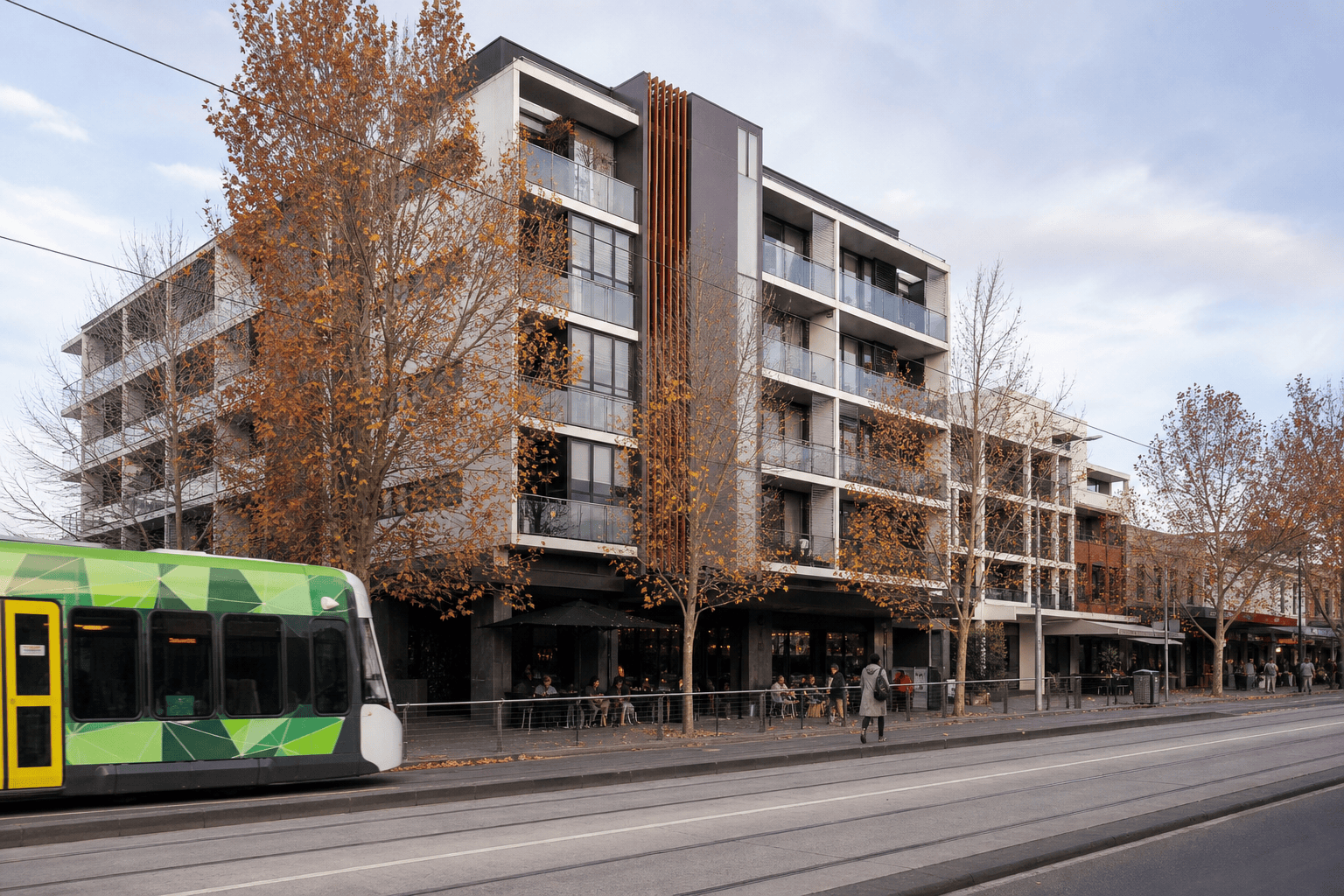
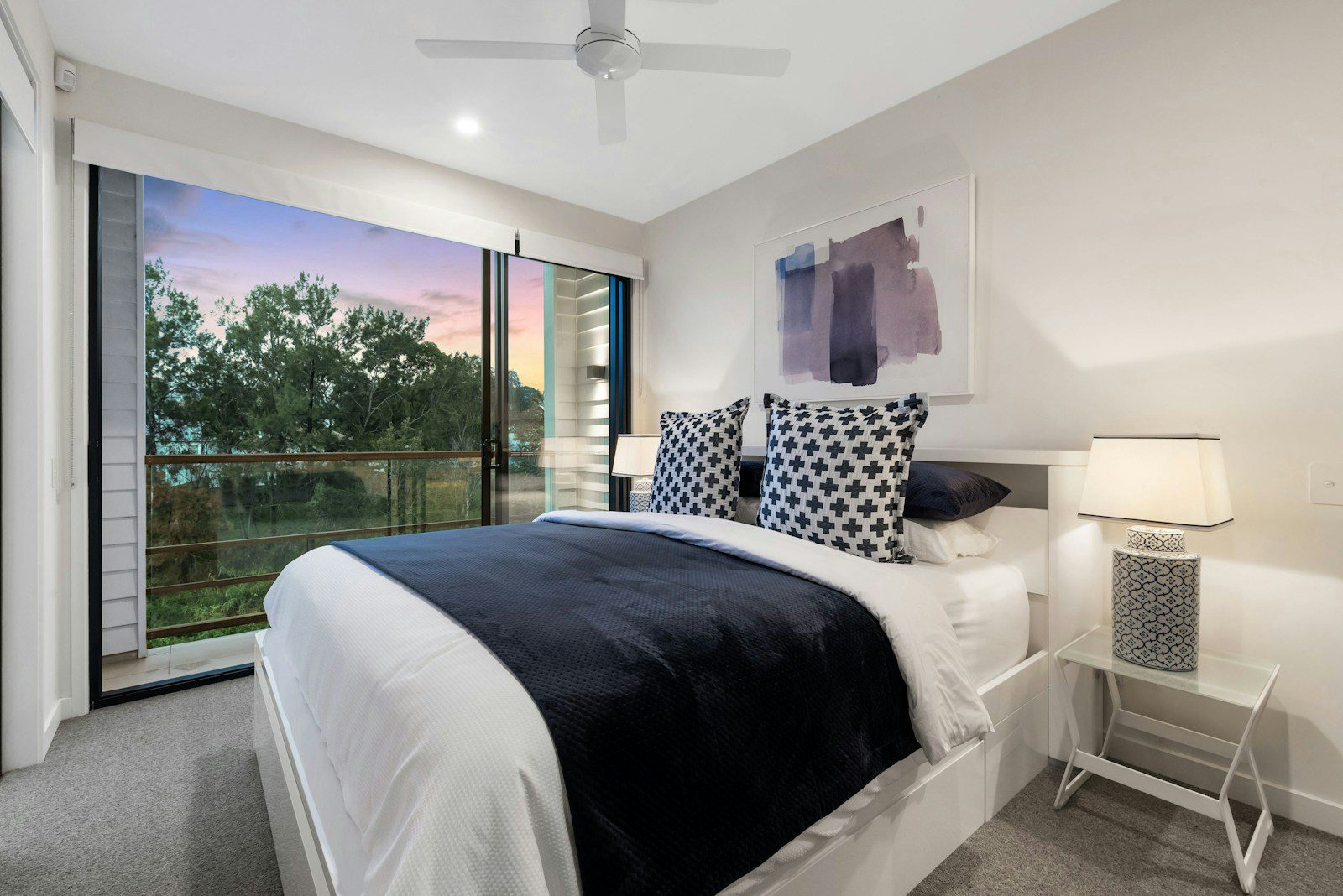
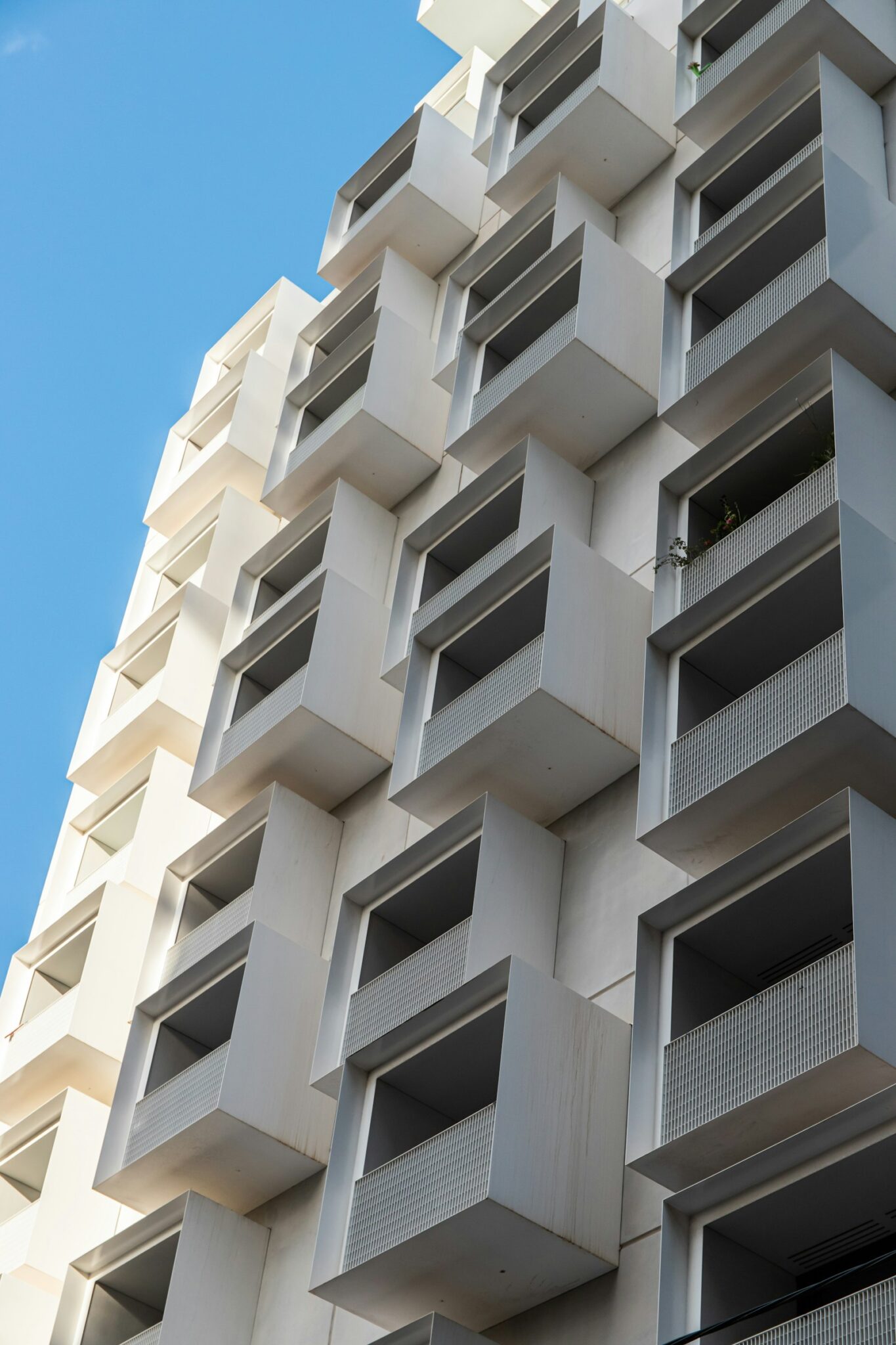
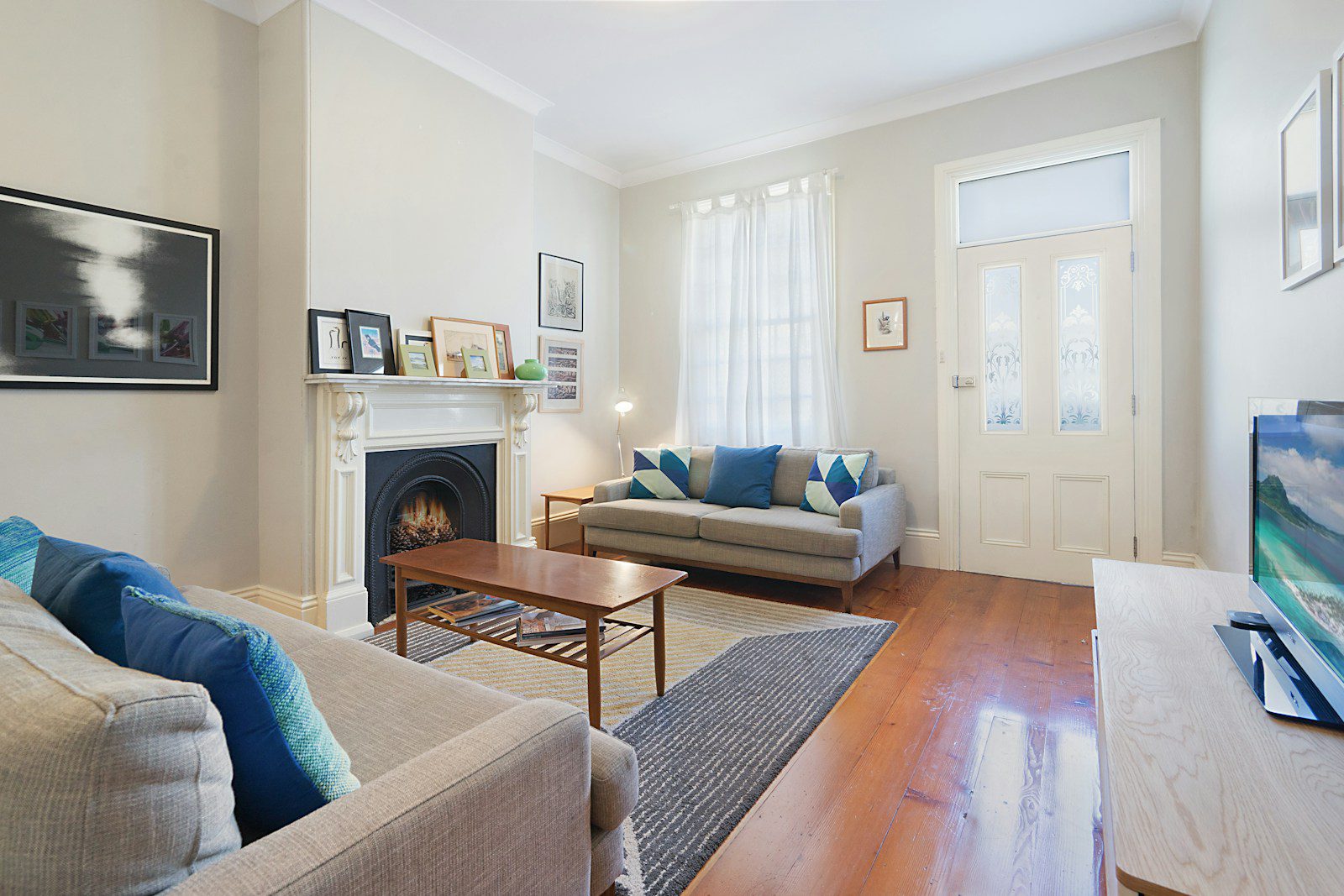
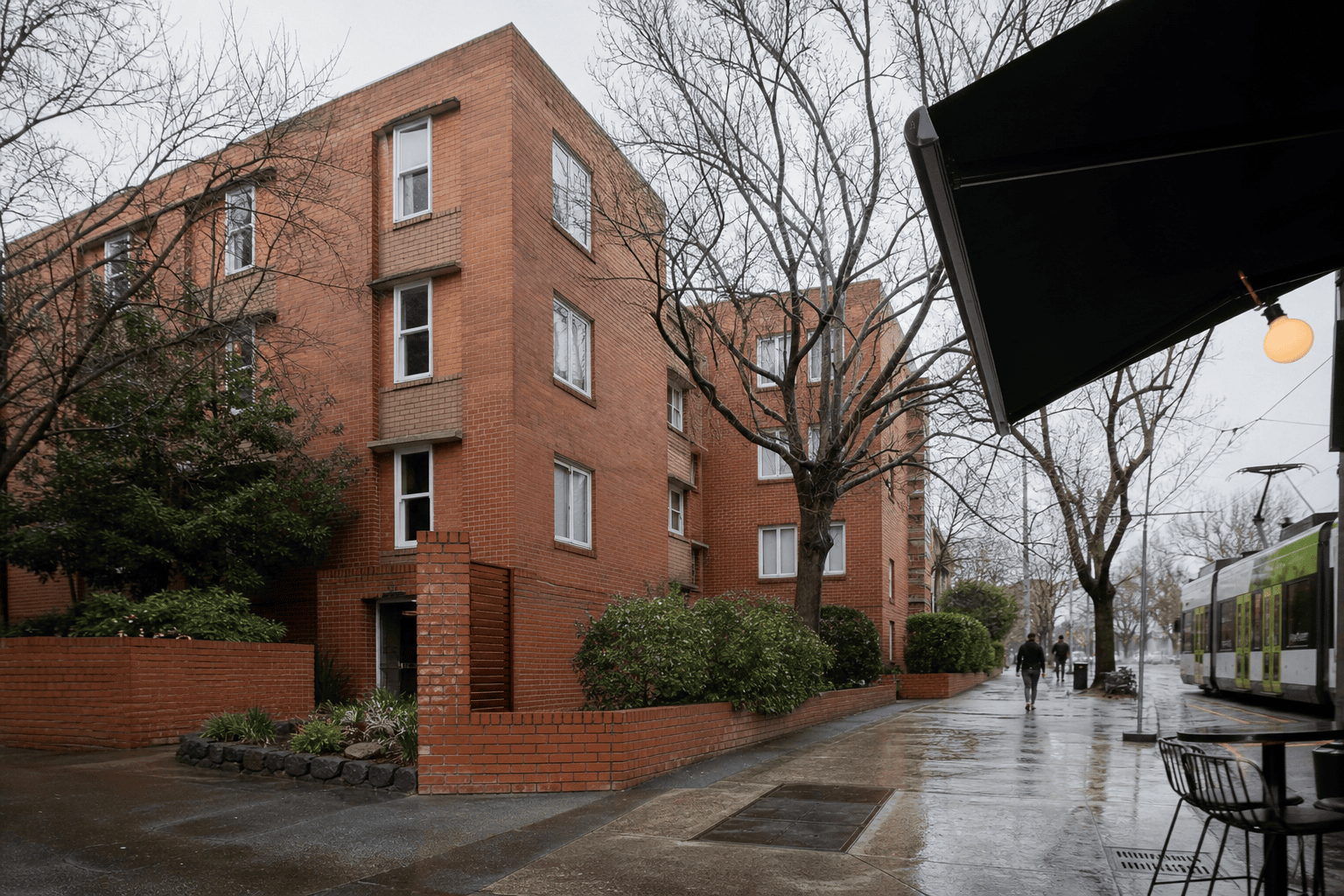
Long-term tenant appeal in inner-Melbourne units depends on transport, light, storage, comfort, building quality and responsive management.
Long-term tenant appeal in inner-Melbourne units depends on transport, light, storage, comfort, building quality and responsive management.
Comparable rentals should be recent, specific and adjusted for condition before landlords set an asking rent.
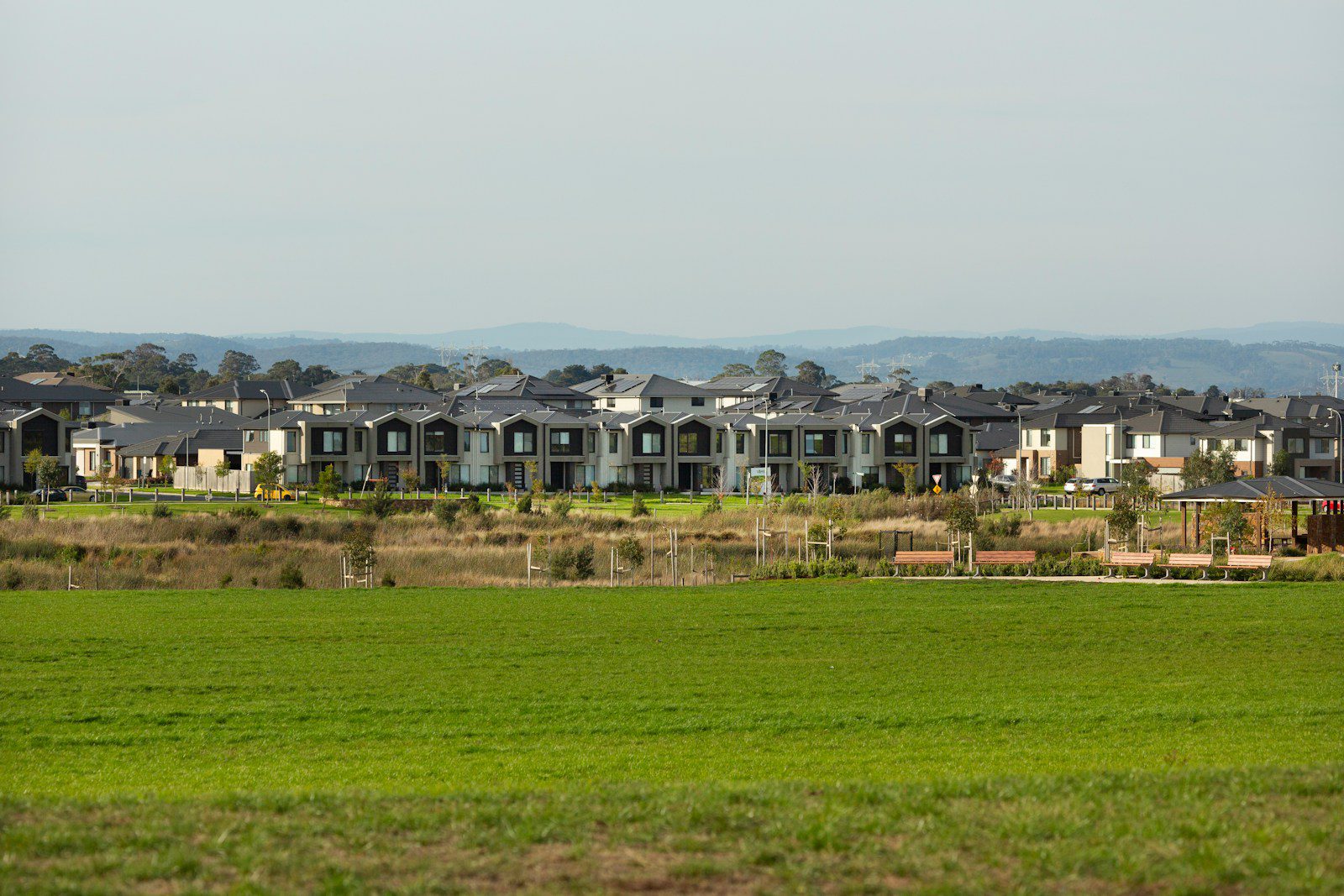
Regional Victorian investment decisions should test employment base, vacancy, maintenance, infrastructure and exit strategy.
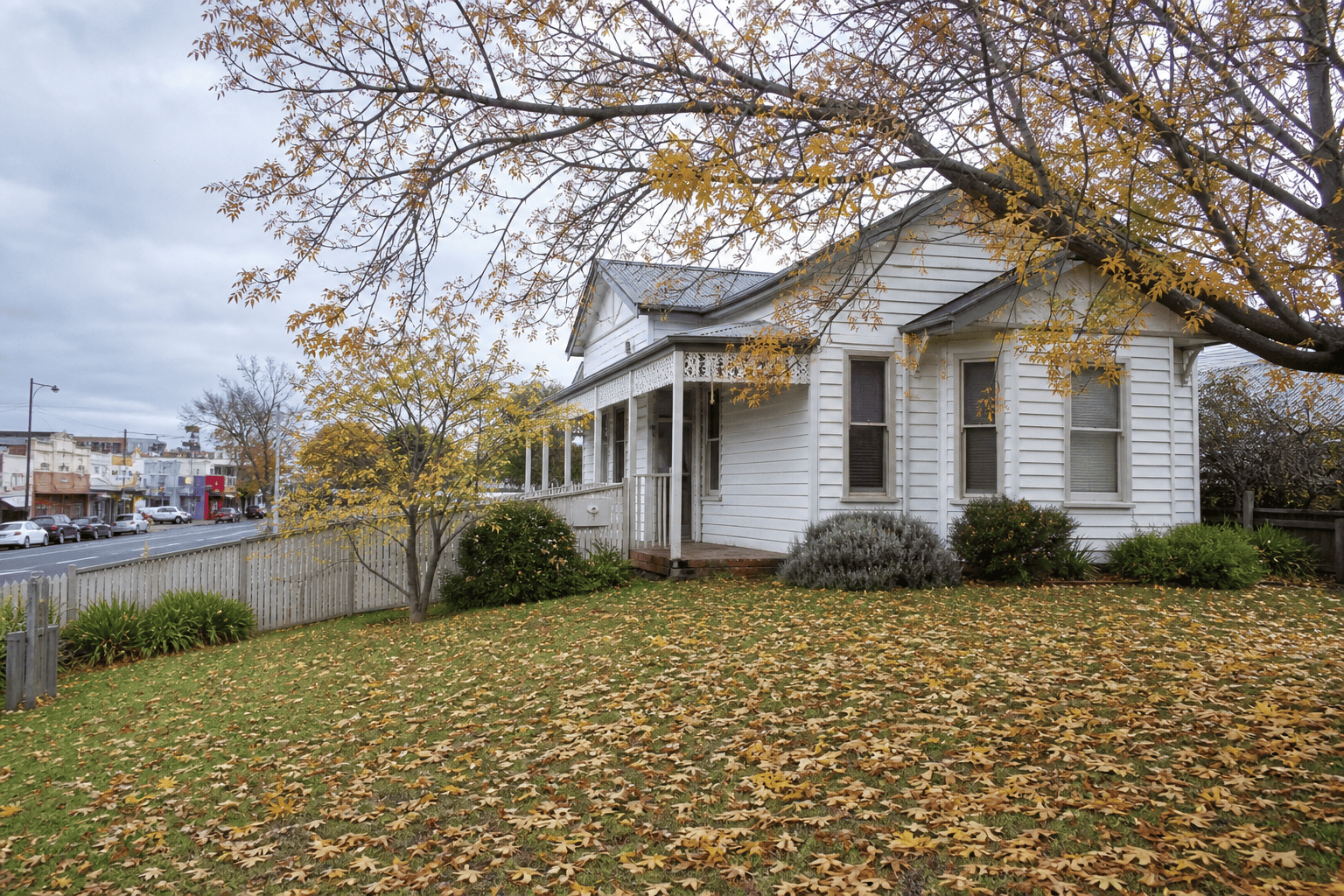
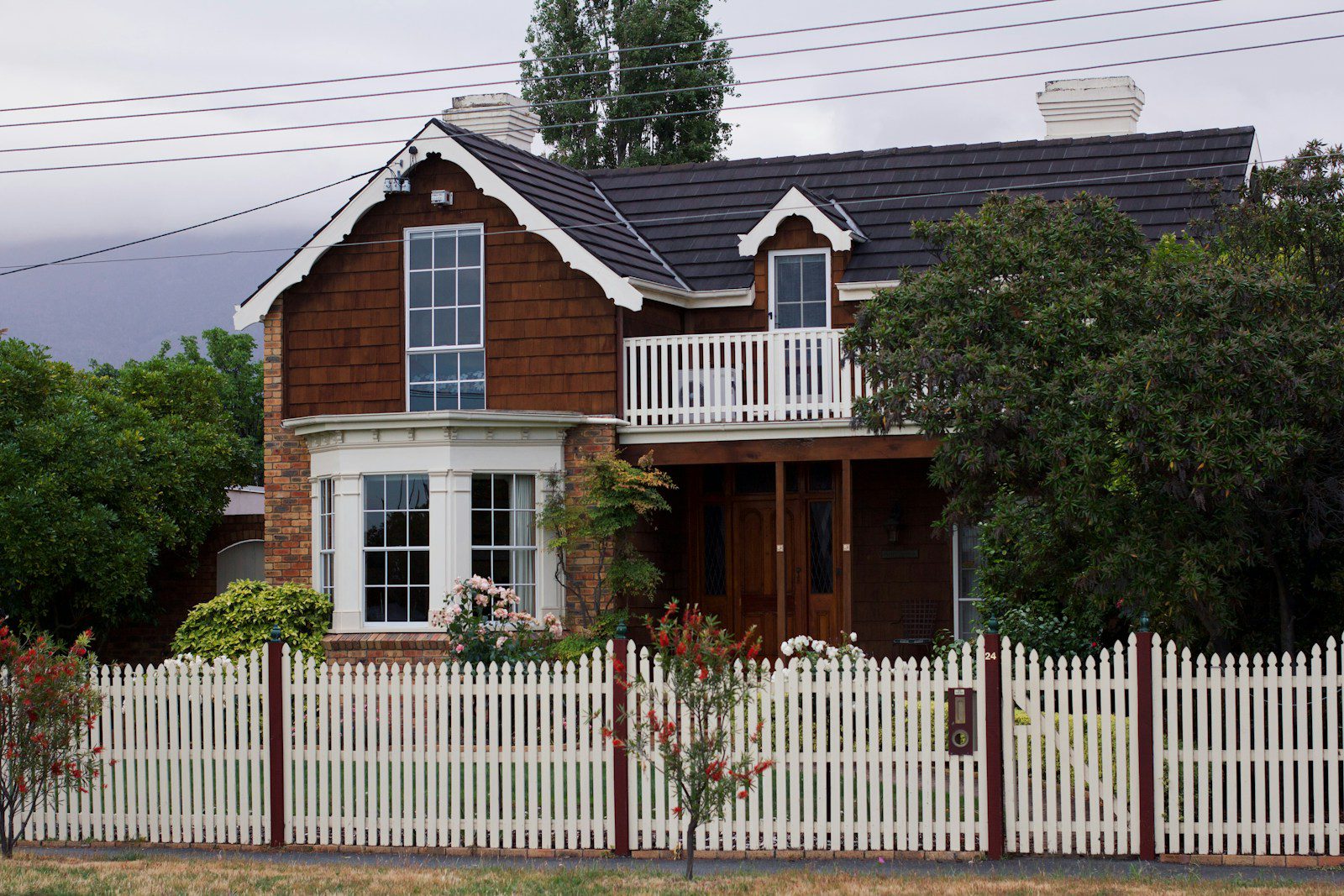
Older rentals can offer appeal, but landlords need to budget for maintenance, minimum standards, compliance and realistic cash flow.
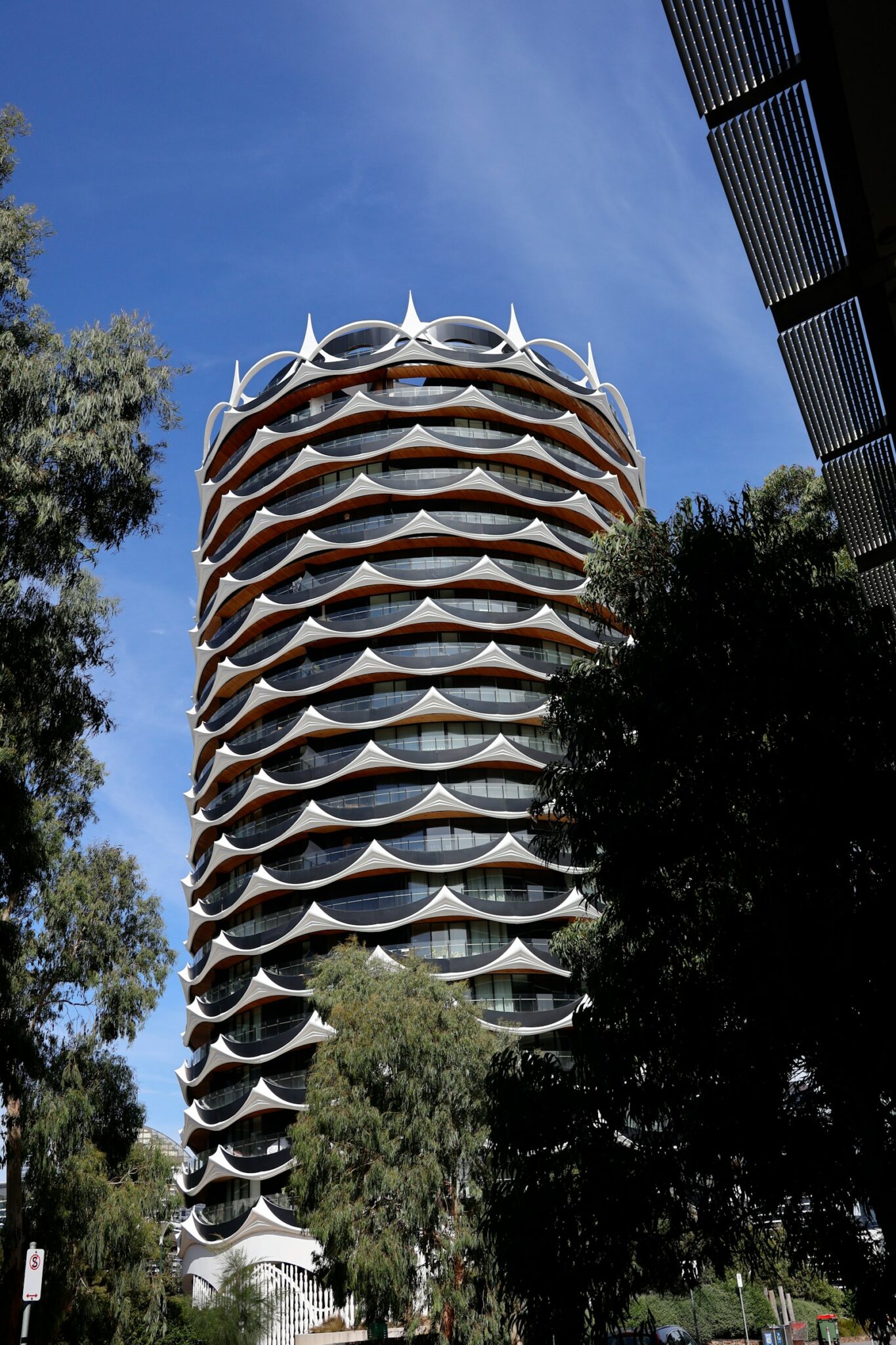
Melbourne investors comparing apartments and houses need to weigh price, rentability, land, owners corporation fees and maintenance.
Rental yield is useful, but investors need to read it alongside outgoings, vacancy, maintenance, tax and tenant demand.
A conservative investment checklist starts with risk, cash flow, compliance, maintenance and exit options rather than relying only on growth assumptions.
Vacancy risk is not just a suburb number; investors should read supply, dwelling type, rent level and tenant fit before buying.
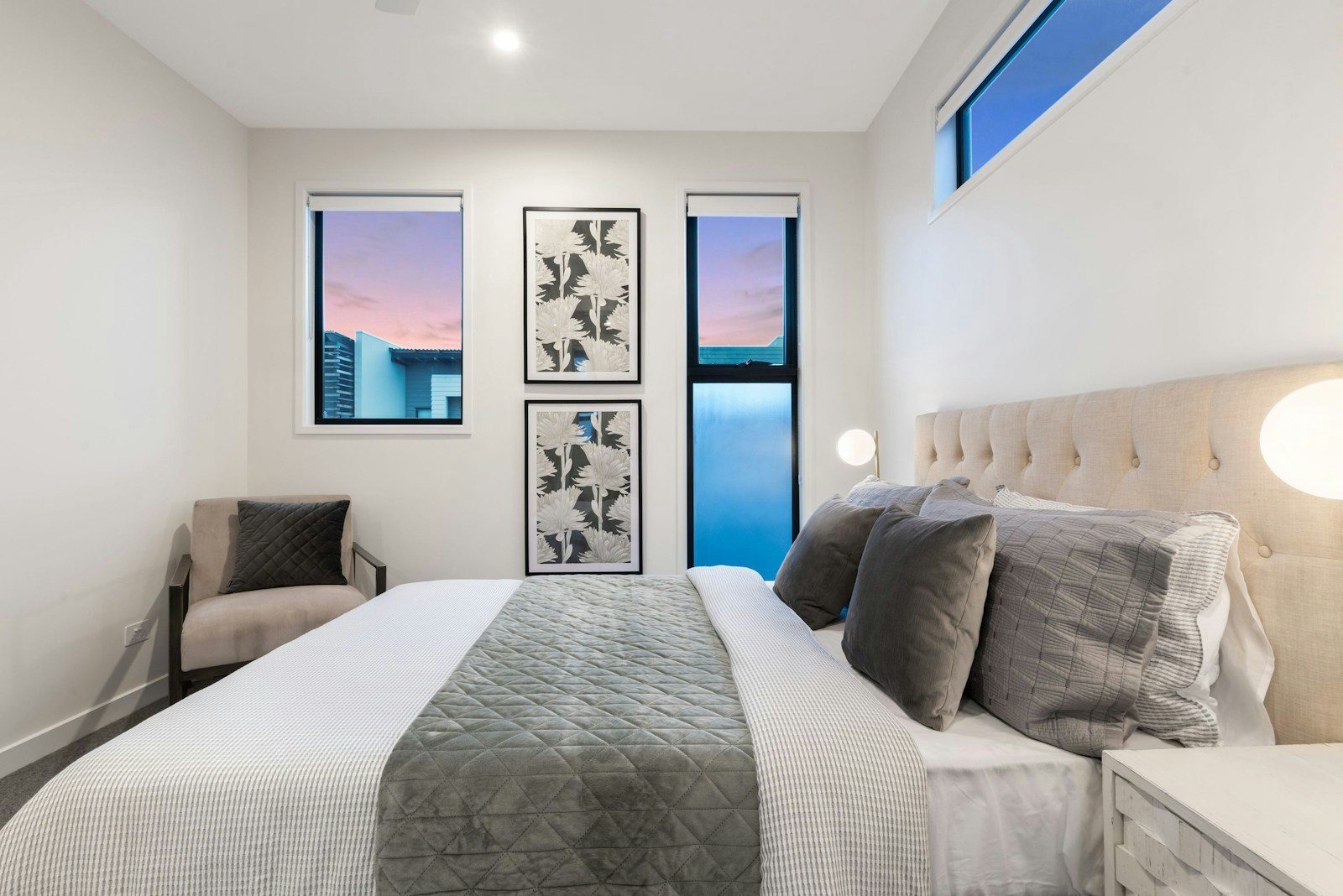
A rental renovation helps return when it improves durability, compliance, comfort or tenant appeal without relying on overcapitalised finishes.
Investment property budgeting should include the quiet recurring costs that sit behind the rent: rates, insurance, maintenance, vacancy and compliance.