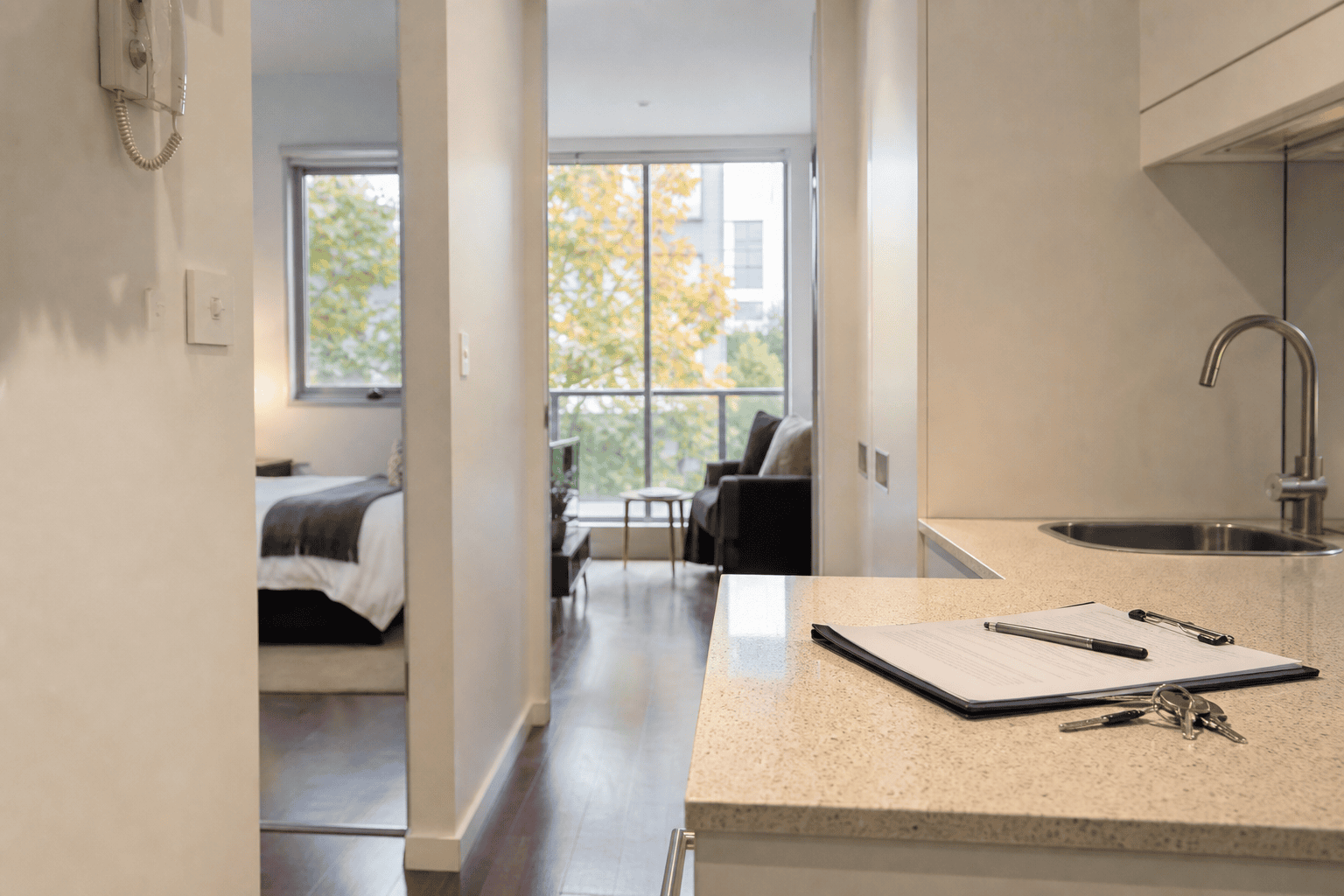
What Renters Notice During an Inspection
Renters make quick decisions at inspections, but they are not only looking at whether the property is tidy. In autumn 2026, many Victorian renters were weighing comfort, storage, transport, heating, communication and whether the property looked properly managed.
Light is one of the first things people notice. A dark living room, blocked outlook or poorly lit kitchen can make a home feel smaller than it is. Clean windows, working lights and thoughtful photography help, but the inspection experience has to match the listing.
Storage is another practical signal. Renters look for wardrobes, linen space, kitchen cupboards, bike storage, secure parking and room for ordinary household items. A property with limited storage should be presented honestly so people can judge whether it suits them.
Heating and cooling become especially important as autumn turns toward winter. Renters will notice old units, missing remotes, poor ventilation, draughty windows and rooms that look difficult to heat. A landlord should service systems before advertising and make sure the agent can answer basic questions.
Cleanliness carries more weight than many owners expect. Dust, odours, stained carpets, mould marks, sticky cupboards and leftover belongings suggest poor management. Even when the rent is competitive, those details can reduce confidence.
Location is judged through routine. Renters think about the commute, school drop-off, supermarket access, parking, noise and how safe the street feels after dark. A listing should make transport and local services clear without overstating convenience.
Communication can decide the result. Prompt replies, clear application instructions and a respectful inspection process make the property easier to trust. A strong rental inspection was not just a clean home; it was evidence that the tenancy would be managed properly.