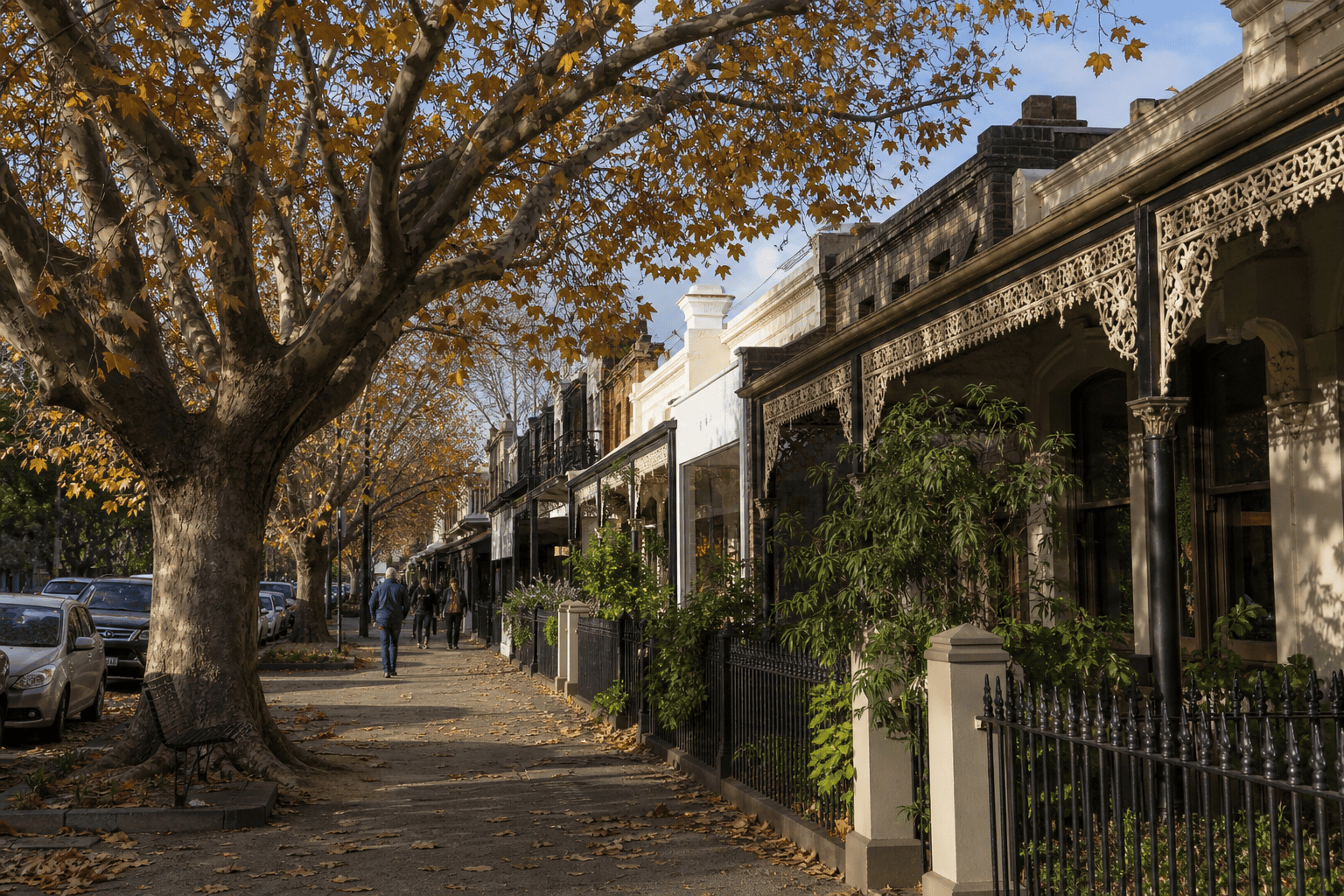
Regional City Property: Heritage Homes and Modern Living
Regional Victorian cities often sell a version of life that is hard to find in newer suburbs: wider streets, older homes, established gardens and town centres with a clear identity. For buyers in autumn 2026, the appeal of a heritage-style home still needed to be balanced against maintenance, comfort and daily convenience.
Character can be valuable, but it should be inspected rather than romanticised. Verandahs, timber windows, high ceilings, fireplaces and decorative plasterwork can add charm. They can also bring repair obligations, draughts, older wiring, restumping concerns or restrictions if the property is covered by a heritage overlay.
Ballarat, Bendigo, Geelong and other regional centres each have their own rhythm. A home close to schools, hospitals, train stations, employment hubs or established retail can hold broader appeal than a larger property that depends on car travel for every errand.
Modern living still matters. Buyers should look at heating, cooling, insulation, kitchen function, bathroom condition, storage and internet access. A beautiful period facade will not solve a cold winter home, weak water pressure or a floorplan that no longer suits family life.
For sellers, the best campaign usually explains both sides clearly. Showcase the period detail, but also document practical upgrades. If roofing, wiring, plumbing, drainage or heating work has been completed, make that information easy for buyers to trust.
Investors need a renter lens. A heritage home may attract strong interest if it is comfortable and well located, but maintenance can be less predictable than with a newer build. The rent needs to support the holding costs, not just the charm.
The best regional city purchase was not simply the prettiest period home. It was the property where character, condition, location and future maintenance made sense together.