Small Apartment Improvements Before Sale or Lease
Small apartment improvements before sale or lease should solve practical doubts. In winter, buyers and renters notice light, warmth, ventilation, storage and maintenance more quickly because inspections can happen on cold, grey or wet days.
Lighting is the easiest place to start. Replace blown globes, clean fittings, open blinds and make sure each room has enough light for an evening inspection. If the apartment relies on borrowed light or has a darker bedroom, warm and consistent lighting can make the space feel more comfortable without pretending it is something it is not.
Paint can also do a lot of work. Fresh neutral paint in marked hallways, living rooms and bedrooms can make a small apartment feel cared for. The goal is not to create a showroom. It is to remove scuffs, patchiness and colour choices that make the next occupant think about work before they think about living there.
Window coverings are another small item with a big visual impact. Tired blinds, bent tracks or mismatched curtains can make a compact space feel neglected. Clean, simple coverings improve privacy, help with warmth and make photography look more finished.
Storage should be presented clearly. Built-in robes, linen cupboards, basement cages, bike storage and balcony cupboards should be clean, accessible and photographed where appropriate. If storage is limited, decluttering before inspections becomes essential. A compact apartment can still work if buyers or renters can see where everyday items will go.
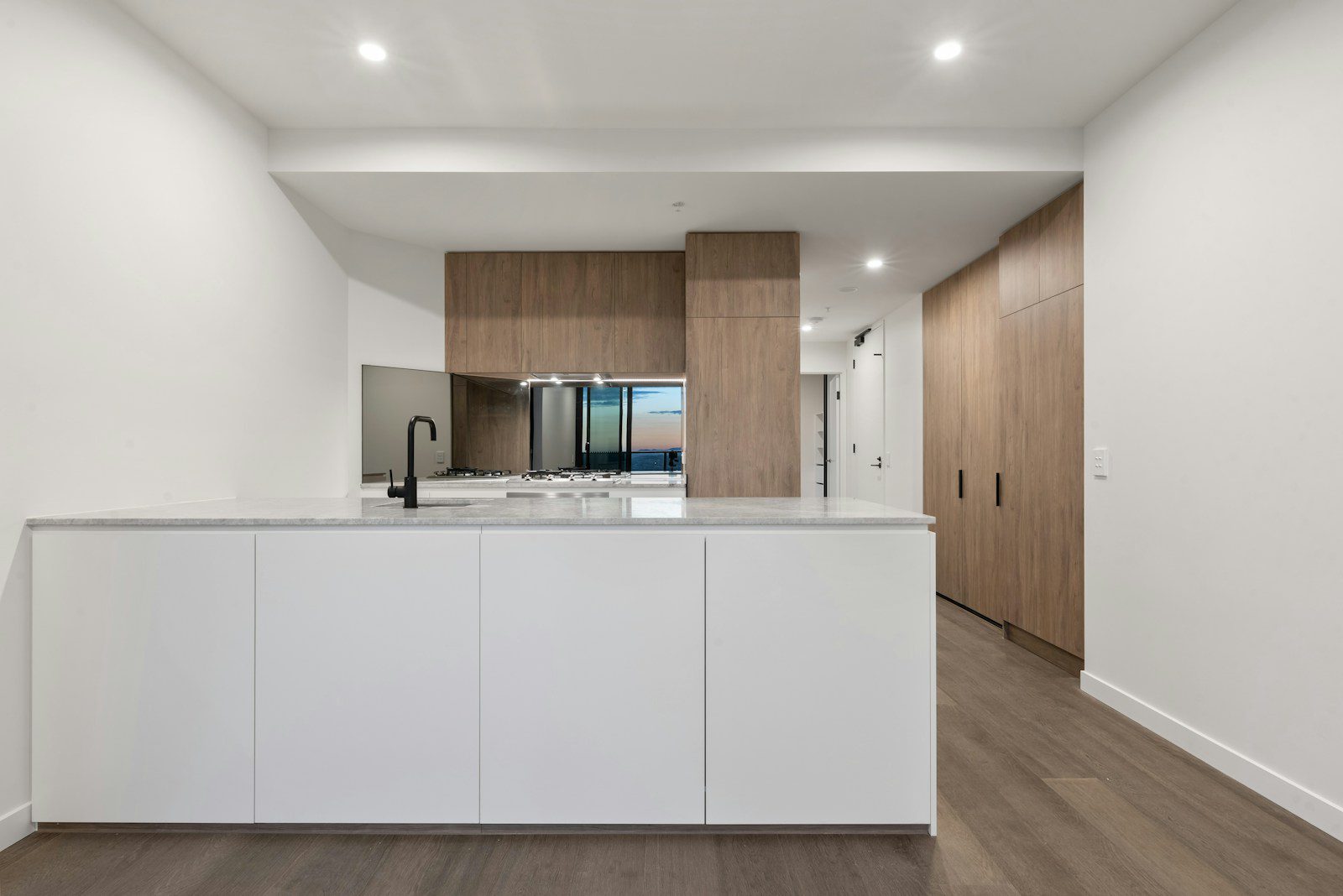
Appliances need to be checked before the campaign. A noisy rangehood, unreliable oven, leaking dishwasher or tired split system can create doubt. For rental properties, basic functionality and compliance matter as much as presentation. For sale campaigns, working appliances help buyers feel the apartment has been maintained.
Balcony presentation is important even when the balcony is small. Clean the glass, sweep the floor, remove dead plants and show how the space could be used. A small table, two chairs or simple pots can help, but only if they fit comfortably. Oversized furniture makes the balcony look smaller.
Bathrooms and laundries deserve close attention. Re-grouting, replacing tired silicone, cleaning exhaust fans, fixing dripping taps and improving mirror lighting can make the apartment feel fresher. These are often more useful than expensive cosmetic gestures because buyers and renters read wet areas as a sign of overall care.
Flooring should be assessed honestly. Worn carpet, scratched boards or stained grout can make an otherwise tidy apartment feel tired. A deep clean may be enough, but if the flooring is beyond that, a targeted replacement can change the whole impression.
Heating, cooling and ventilation should be checked together. In winter, an apartment that feels cold, stale or damp can lose attention quickly. Make sure heaters work, windows open where they should, exhaust fans operate and any obvious condensation or mould issue has been investigated rather than hidden.
For sellers, the best improvements are usually modest and targeted. Spend where buyers can see value: light, cleanliness, maintenance, storage and usable outdoor space. Avoid overcapitalising on finishes that may not be recovered in the sale price.
For rental providers, durability matters. Choose fittings, paint, blinds and appliances that can handle normal use. A low-maintenance apartment that photographs well and functions clearly is usually easier to lease and manage than one with fragile upgrades.
Owners corporation rules should be checked before work begins. Flooring changes, external fixtures, balcony items, air-conditioning and some window treatments can require approval. A small improvement is only useful if it can be completed without creating a building dispute.
The strongest small-apartment improvements were not dramatic. They made the home brighter, warmer, cleaner and easier to assess in winter, which helped both sale and lease campaigns start with fewer objections.