Updating a Period Home Without Losing Character
Melbourne period homes often earn attention because of details that newer homes cannot easily copy: cornices, fireplaces, verandahs, floorboards, proportions and established streetscapes. The challenge is to make the home practical for modern living without stripping away the qualities that attracted buyers in the first place.
Start with repair rather than reinvention. Cracked plaster, tired paint, damaged boards, loose hardware and neglected fireplaces can make character feel like maintenance burden. Careful repair helps buyers see the charm without immediately building a defect list in their head.
Original features should be treated as assets, not obstacles. Ceiling roses, skirting boards, architraves and fireplaces do not all need to be perfect, but they should feel intentional and cared for. Removing them for a generic finish can make the home less memorable, especially in suburbs where buyers are actively seeking period character.
Modern comfort still matters. Heating, cooling, insulation, ventilation, lighting and storage affect everyday liveability. A beautiful front room will not carry the whole home if the rear living area is dark, the bedrooms are uncomfortable or the kitchen layout makes daily use difficult.
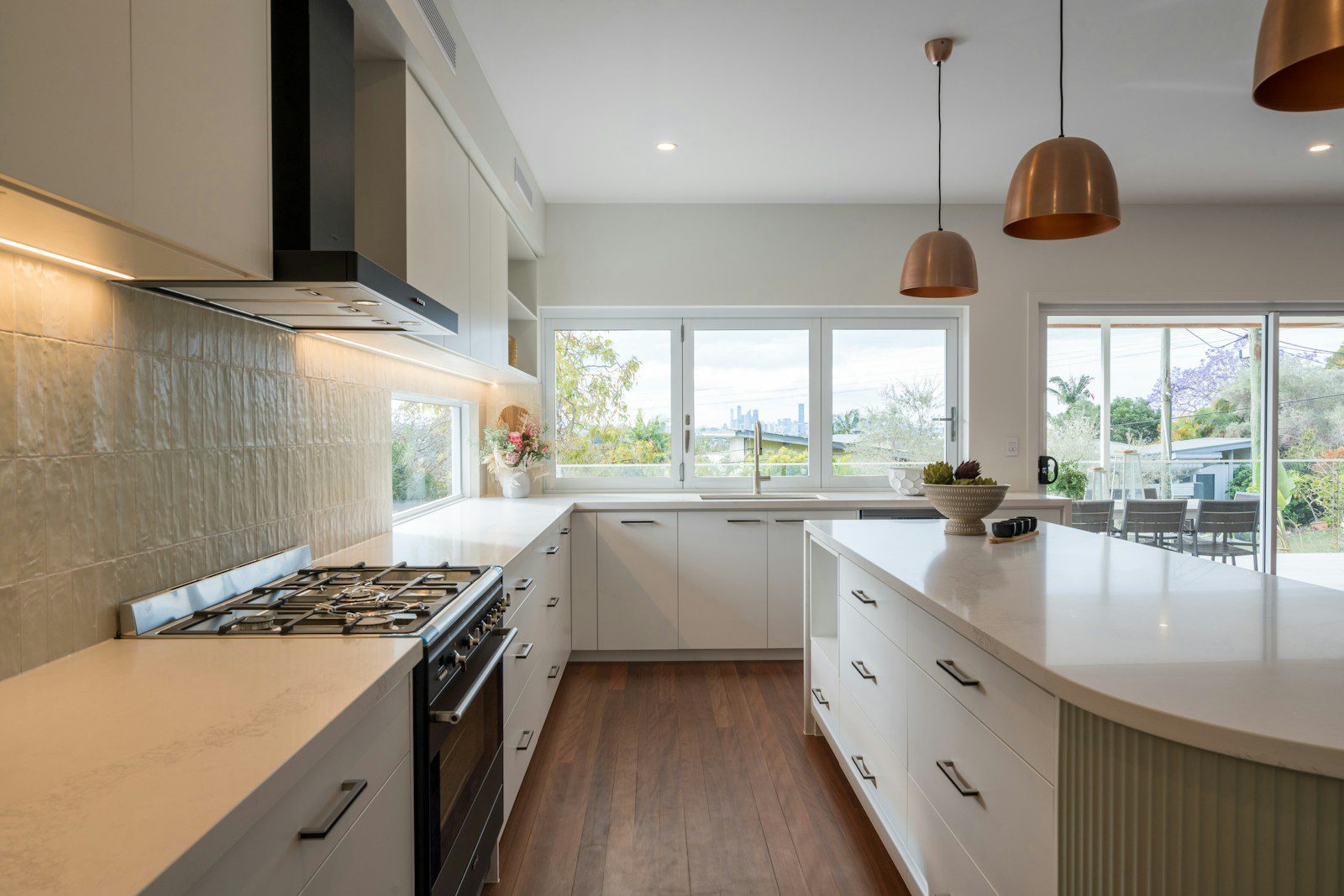
The best updates usually create a quiet bridge between old and new. A simple kitchen with respectful materials, a bathroom that feels fresh without being overly fashionable, and lighting that highlights proportions can make the property feel current while keeping its identity intact.
Owners should also think carefully before undertaking large structural changes close to sale. Extensions, wall removals and major wet-area works can involve approvals, trade delays and cost overruns. If the campaign timing is near, smaller works that improve condition and presentation may produce a cleaner result than an unfinished transformation.
For buyers, the same thinking applies in reverse. A period home does not need to be fully modernised to be valuable, but the cost of future updates should be understood. Before committing, check the vendor statement, consider building advice and ask whether the home’s character and practical layout both suit the way you intend to live.
A period home succeeds when its history feels like part of its value, not a problem to solve. Good updating makes that easier for buyers to see.