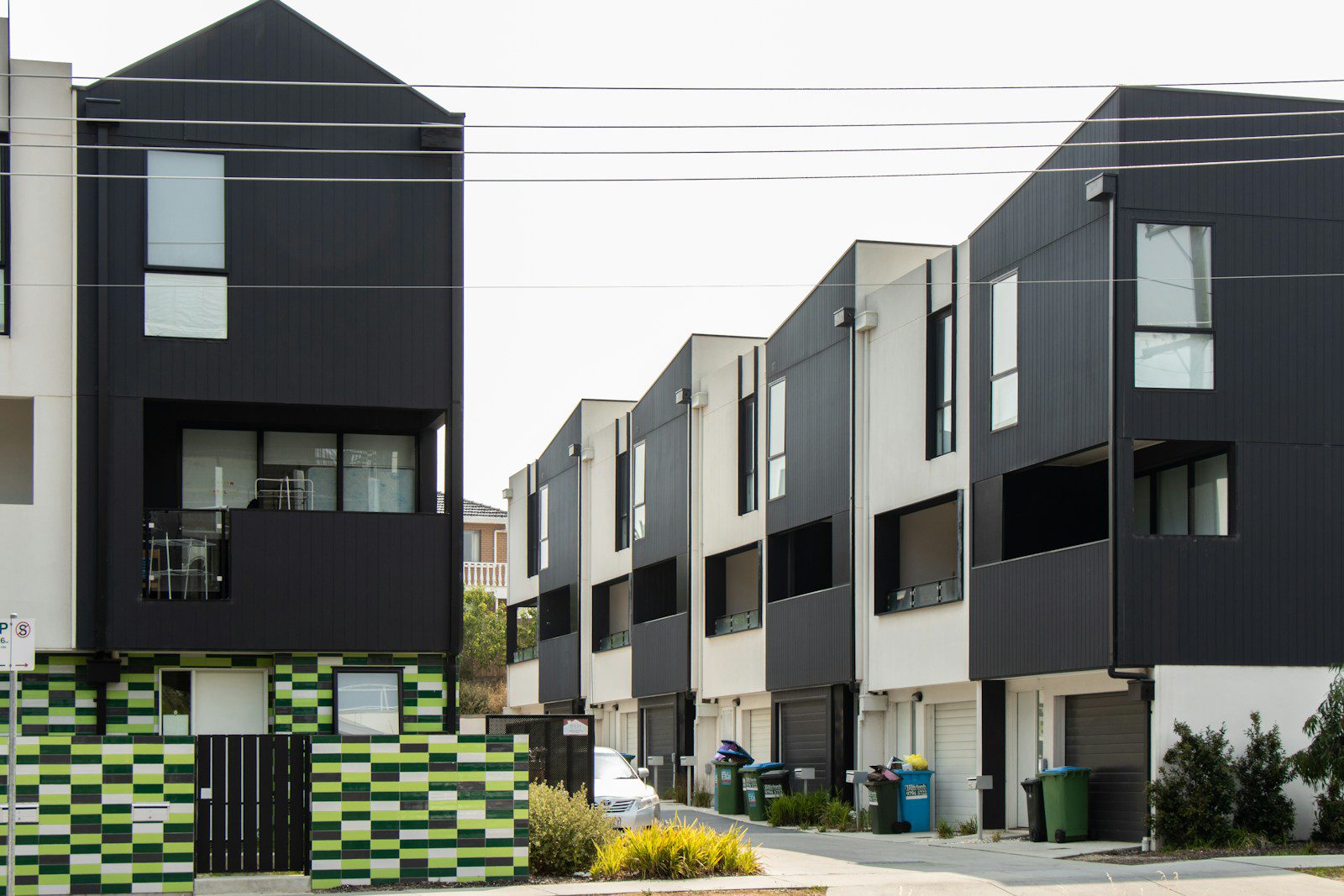
Apartments vs Houses for Melbourne Investors
For Melbourne investors, the apartment-versus-house decision is rarely just about preference. Each property type carries a different mix of price, rent, land value, maintenance and risk. The better choice depends on budget, borrowing capacity, cash flow and the kind of renter demand the property is likely to attract.
Apartments can offer a lower entry price, especially in inner and middle-ring suburbs where houses may be beyond reach. They can also appeal to renters who value transport, cafes, universities, hospitals and employment hubs. A well-located apartment with good light, storage, heating and secure access can be easier to lease than a cheaper property in a weaker location.
The trade-off is outgoings and control. Owners corporation fees, special levies, building maintenance, cladding concerns, lifts, common areas and parking arrangements can all affect returns. Investors need to read owners corporation documents carefully and understand whether the building is well managed.
Houses often appeal because of land component and flexibility. A house may offer renovation potential, a larger tenant pool for families and fewer shared decision-making issues. It can also give the owner more control over improvements. But houses may require more maintenance, higher insurance, garden upkeep and larger upfront capital.
Rental yield should be compared on a net basis, not just advertised rent. An apartment with higher gross yield may look attractive until owners corporation fees are included. A house with lower yield may still make sense if land value, tenant stability and future improvement potential are stronger.
Vacancy risk also differs. Inner-city apartments can face competition from similar stock, while family homes may have fewer direct substitutes in some suburbs. On the other hand, a house in a car-dependent location may sit longer if rent is set too high or presentation is poor.
Investors should also think about exit strategy. Who is the future buyer? An apartment may appeal to investors, first-home buyers or downsizers. A house may appeal to families, renovators or developers, depending on zoning and location. Understanding the resale audience can help investors avoid buying a property that only works under narrow conditions.
There is no universal winner. The right Melbourne investment property is the one where the numbers, tenant appeal, building condition and long-term plan all line up. Investors should compare the whole asset, not just the dwelling type printed on the listing.