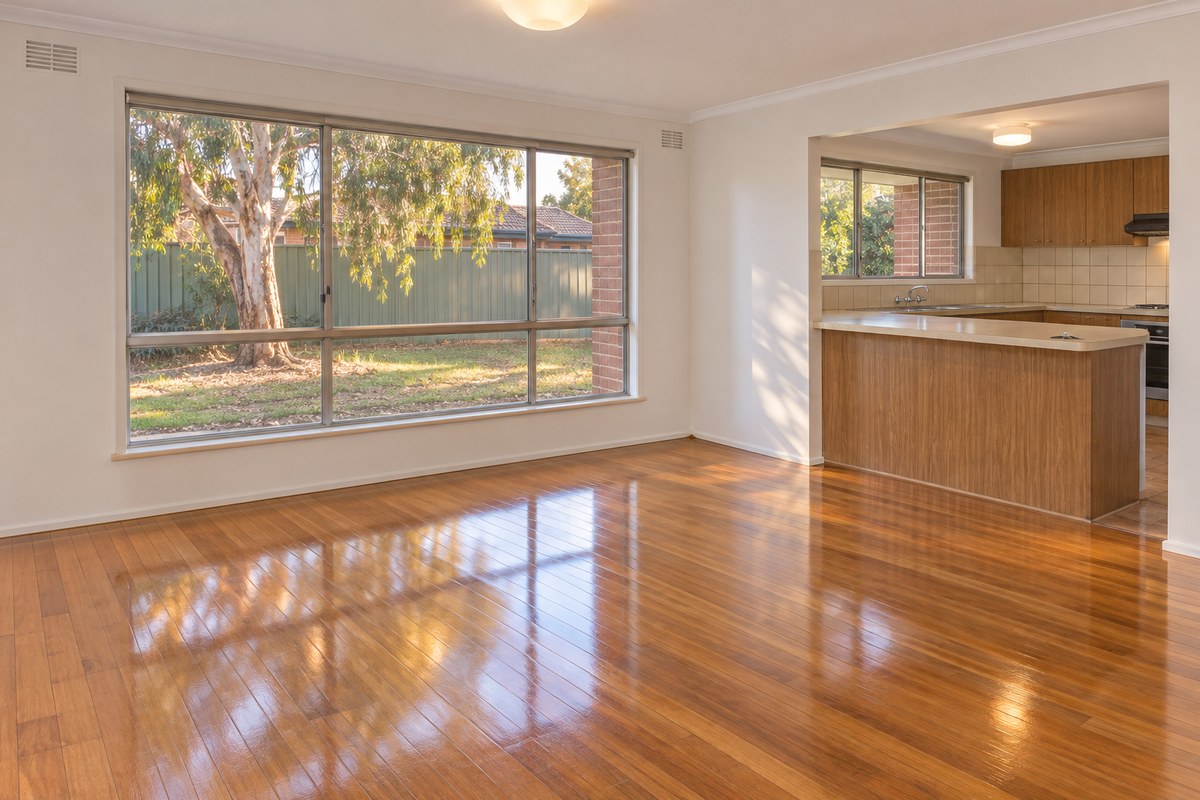
The Final Inspection Before Settlement: What Buyers Should Check
After weeks of waiting, settlement day is finally in sight. Before the keys change hands, most buyers in Victoria have the chance to walk through the property one last time. This final inspection is easy to treat as a formality, but it is worth a little planning. It is your opportunity to confirm that the home you are about to pay for is the home you agreed to buy.
Under the standard Victorian contract of sale, the buyer, or someone they authorise, can generally inspect the property at any reasonable time during the seven days leading up to and including settlement day. The inspection is usually arranged through the selling agent, who will coordinate a time with the vendor or, if the property is tenanted, with the renter. Your own contract may include special conditions, so it is sensible to check the details with your conveyancer early.
The purpose of the inspection is fairly simple. The contract generally requires the vendor to hand over the property in the same condition it was in on the day of sale, allowing for fair wear and tear. Until settlement the vendor also generally carries the risk of loss or damage. The final inspection is your chance to see whether anything has changed since you signed.
Timing matters. Many buyers prefer to inspect as close to settlement as possible, ideally once the vendor has moved out, so there is less chance of something changing afterwards. If the vendor is still living there or packing up, you may not be able to see every wall and floor clearly. Booking a time a day or two before settlement can be a practical balance, leaving room to raise any issue with your conveyancer.
It helps to bring your copy of the contract and any notes, photos or reports from earlier inspections. The contract usually lists the fixtures and chattels included in the sale, such as light fittings, blinds, dishwashers or garden sheds. Walk through room by room and confirm that the items included are still there and that nothing has been swapped for something of lesser quality.
Next, check that things work. Turn on taps and look for steady water flow and any obvious leaks. Test lights, power points where practical, heating and cooling, the oven and cooktop, exhaust fans, the hot water system and any garage door remotes. You are not expected to carry out a technical inspection, but a quick functional check can reveal problems that are easier to raise before settlement than after it.
Look closely at walls, floors and ceilings, especially where furniture has been moved. Removalists can leave scuffs, chips or damage to door frames, which may or may not go beyond fair wear and tear. Check the outside too, including fences, gates, the garden and any outbuildings. In older brick-veneer homes common across Melbourne’s north, it is worth looking for new cracks or water marks after recent rain.
Pay attention to what has been left behind. Rubbish, old paint tins, furniture or garden waste that was not part of the sale can be costly to remove. A home does not have to be spotless, but there is a difference between normal wear and a property left in a poor state. Make a note and take dated photos of anything that concerns you.
If you find a problem, stay calm and raise it promptly. Contact your conveyancer or lawyer rather than trying to negotiate directly with the vendor at the door. Depending on the issue, it may be resolved by the vendor fixing it, returning an item, or an agreed adjustment at settlement. Your conveyancer can explain your options and what the contract allows in your situation.
A little preparation makes the process smoother. Confirm the inspection time with the agent in advance, allow enough time to look properly, and bring a phone charger, a torch and a simple checklist. If you are buying with a partner or family member, a second set of eyes can help. Most final inspections are straightforward, and many buyers find it reassuring to see the home empty before moving in.
This article is general information only and is not legal or financial advice. Every contract is different, so speak with your own conveyancer or lawyer about your purchase. If you have questions about buying in Thomastown or nearby suburbs, the Northlink Real Estate team is happy to help on 03 9119 1199.