Melbourne Townhouses: What Buyers and Sellers Should Watch
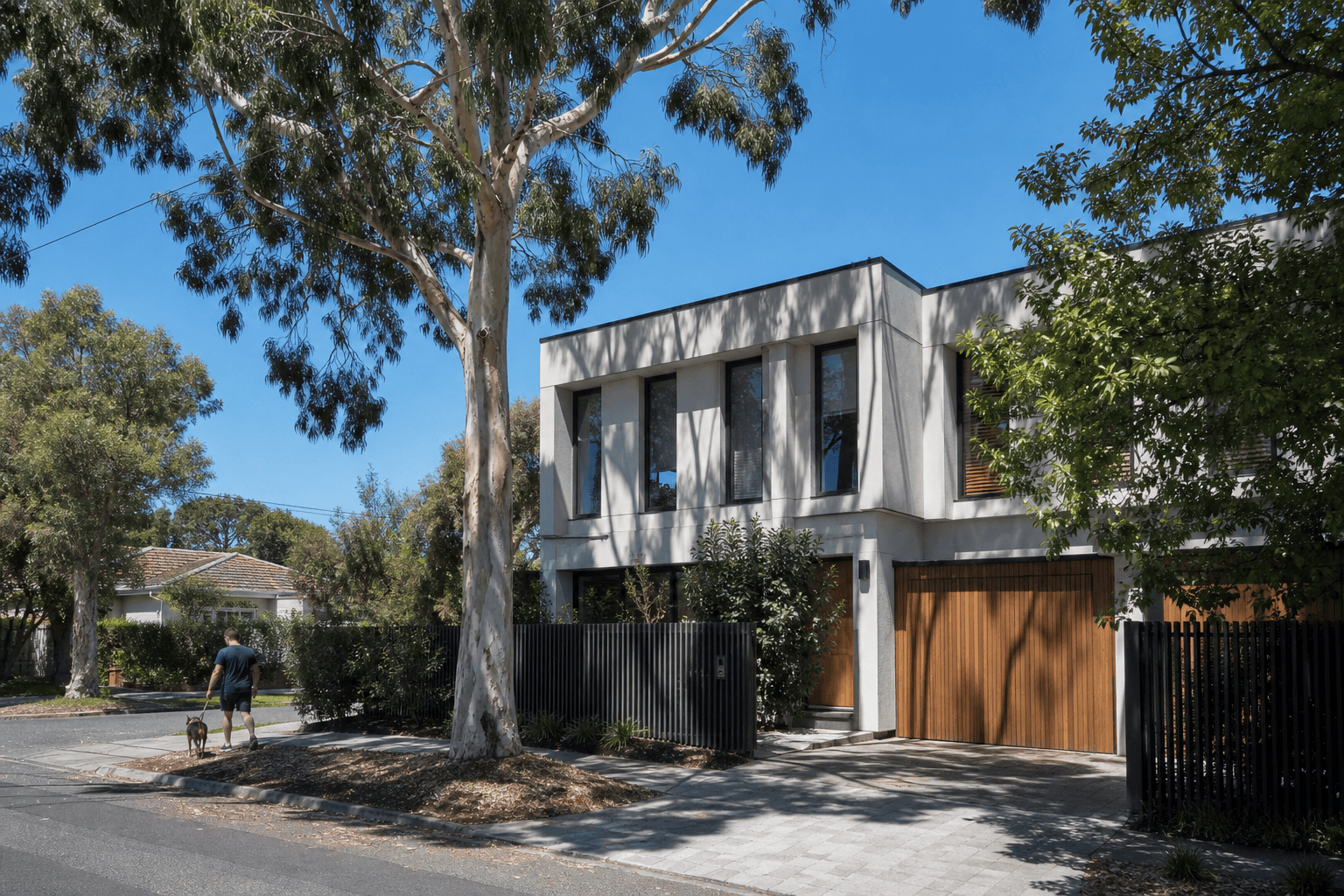
Melbourne townhouses can offer a useful middle ground between apartments and detached houses. They may provide more space and privacy than an apartment while requiring less land and maintenance than a full house.
Buyers should start with the land component. Some townhouses sit on separately titled land, while others involve shared land or owners corporation arrangements. The ownership structure affects costs, rules, insurance and future flexibility.
Floorplan efficiency matters. A townhouse may look generous by bedroom count but feel tight if stairs, hallways or awkward rooms absorb space. Buyers should test storage, living areas, natural light, outdoor connection and whether the home suits daily routines.
Parking is often a major difference. A garage, carport or usable driveway can influence value, especially in suburbs where street parking is limited. Sellers should make parking and storage clear in the listing.
Owners corporation details should not be ignored. Shared driveways, common insurance, external maintenance and rules can all affect ownership. Buyers should read documents carefully before assuming the property behaves like a standalone house.
Summer comfort is worth testing. Orientation, shading, ventilation, upstairs heat, cooling, glazing and outdoor usability can change how a townhouse feels. A bedroom that overheats in summer may affect liveability.
For sellers, presentation should explain the lifestyle. Show how the outdoor area works, how storage is handled and how the floorplan supports work, family or downsizer needs. Buyers need to see why this townhouse is easier than a house and more flexible than an apartment.
Melbourne townhouse decisions were strongest when buyers and sellers looked past the label. Title, floorplan, parking, shared costs, summer comfort and resale audience all mattered.