Styling a Home for Melbourne Buyers
Good styling does not turn a property into a different home. It helps buyers understand the home in front of them. In Melbourne, where buyers often compare very different housing types across nearby suburbs, styling can make space, light and liveability easier to read.
The first priority is scale. Furniture should show how a room works without making it feel crowded. A small bedroom does not need to pretend it is huge, but it should answer the buyer’s practical question: can it fit a bed, storage and circulation? A living area should make the likely television, dining and sitting zones obvious.
Light is the next priority. Melbourne inspections can move from bright spring mornings to grey afternoons quickly, so window coverings, lamps and clean glass matter. Heavy curtains, dark corners and cluttered sills can make a home feel smaller than it is. The goal is to let natural light do as much work as possible, then support it with warm, simple lighting where needed.
Styling should also respect the buyer pool. An inner-north terrace may need to show flexible work-from-home space. A family home in the middle ring may need to show storage, outdoor flow and a usable second living area. An apartment near transport may need to show calm, privacy and efficient storage rather than oversized furniture.
Avoid making every room feel like a display suite. Buyers are good at detecting when styling hides practical problems. If a dining table blocks a cupboard, a bed prevents a door from opening properly or rugs are covering damaged flooring, the styling creates suspicion rather than confidence.
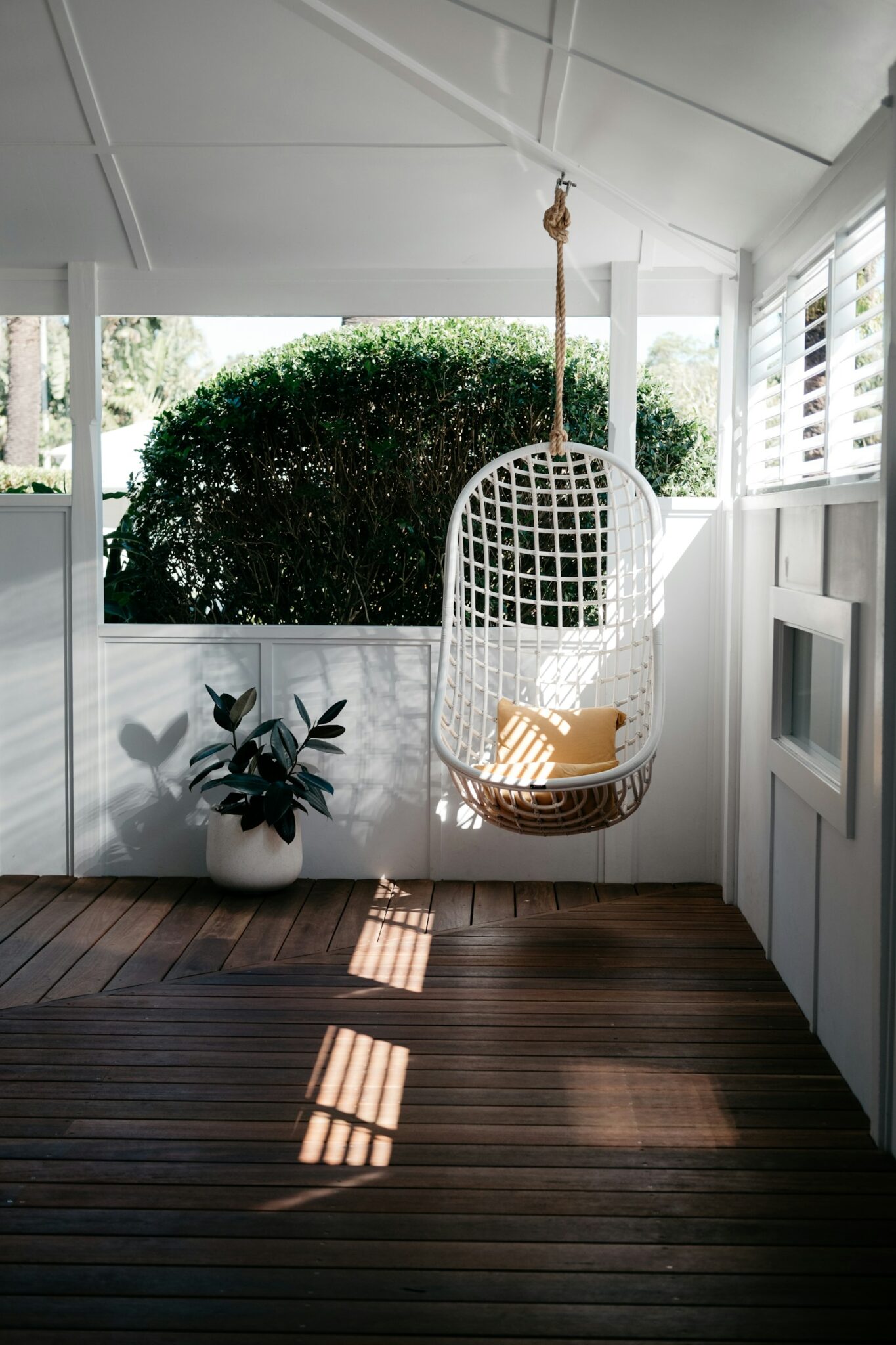
Outdoor areas deserve the same treatment. A balcony with two chairs, clean flooring and healthy plants can help buyers imagine morning coffee or evening air. A courtyard with trimmed greenery and a clear dining spot can turn leftover space into usable living area.
The strongest Melbourne styling is quiet, practical and consistent. It removes visual noise, shows the home’s best use and leaves room for the buyer’s own life. That is the difference between decoration and sales preparation: decoration asks buyers to admire someone else’s taste; styling helps them understand the property.