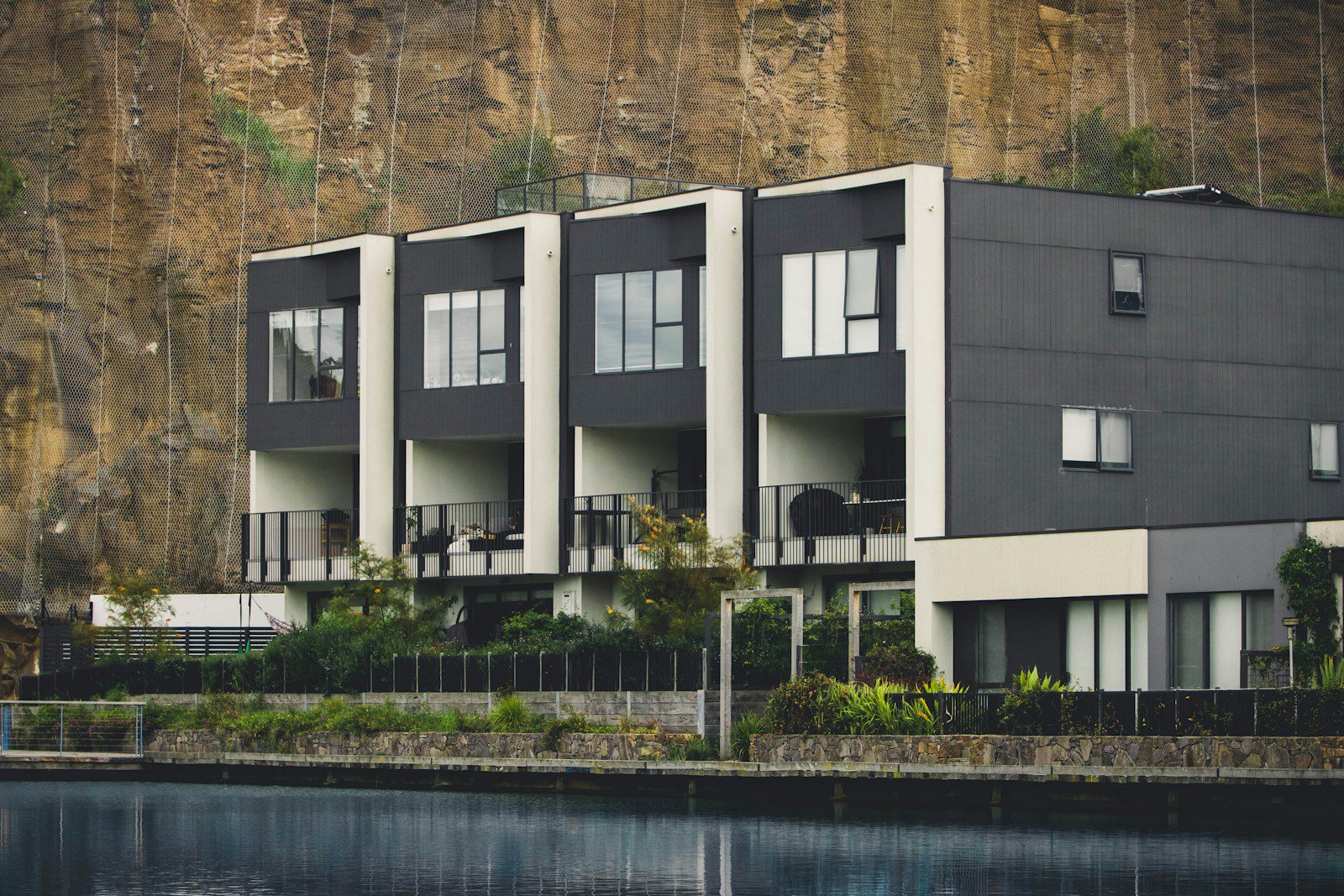
Leasing a Melbourne Apartment: What Helps It Stand Out
Melbourne renters often compare apartments quickly. They may look at several listings in the same suburb, sometimes in similar buildings, and decide within minutes which ones are worth inspecting. A leasing campaign needs to make the apartment easy to understand before the renter arrives and comfortable once they walk through the door.
Photography is the first filter. Apartment photos should show natural light, room proportions, outlook, balcony space, kitchen storage, bathroom condition and the relationship between living and dining areas. Overly tight photos can make renters suspicious. Clear, honest images usually perform better than images that hide the floorplan.
A floorplan helps enormously. Renters want to know whether a bed fits, whether the living area can hold a sofa and desk, and whether there is space for dining. This is especially important for one-bedroom and two-bedroom apartments where a few square metres can change the way the home functions.
Light and ventilation are major points of difference. If the apartment has north-facing windows, cross-flow ventilation, a balcony, large glazing or a pleasant outlook, the listing should say so. If it is darker, presentation matters even more: clean windows, open blinds, working lights and uncluttered rooms can help the space feel cared for.
Storage can separate one apartment from another. Built-in robes, a linen cupboard, pantry space, basement storage cage, bike storage or secure car space should be clearly listed. Many renters are trying to fit work-from-home equipment, sports gear or household items into a compact home, so storage is not a minor detail.
Building quality also matters. Renters may consider security entry, lifts, common areas, parcel access, waste rooms, bicycle storage, visitor parking and noise. A well-managed building can be a leasing advantage, while tired common areas can weaken confidence before the renter reaches the apartment.
Location should be specific. “Close to transport” is less useful than naming the nearest train station, tram route, bus connection or shopping strip, provided the claim is accurate. Renters want to understand the routine: commute, groceries, gym, parks, cafes and late-night transport.
Condition and cleanliness are still essential. Fresh paint, working appliances, clean grout, functional blinds, good heating and cooling and a tidy balcony can all influence applications. Small unresolved issues may suggest the property will be difficult to manage during the tenancy.
A strong apartment listing does not need exaggeration. It needs clarity. When renters can see the floorplan, understand the building and trust the condition, they are more likely to inspect seriously and apply with confidence.