What Buyers Ask About Melbourne’s Northern Suburbs
Buyers who have spent a few weekends inspecting homes in Melbourne’s northern suburbs tend to arrive with the same handful of questions. They want to know what separates one street from the next, why two similar-looking houses can be priced differently, and whether the area will still suit them in five or ten years. None of those questions have a single answer, but they are worth thinking through before making an offer rather than afterwards.
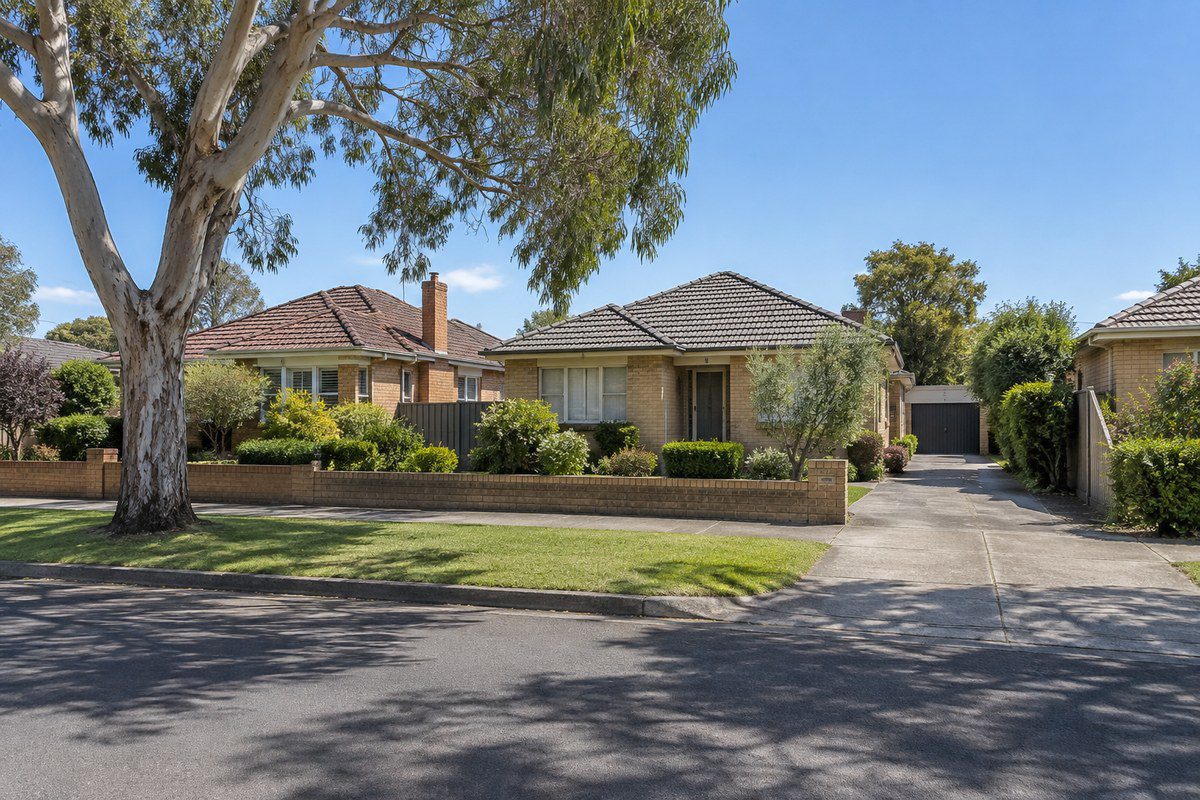
The first question is usually about the housing stock itself. The north has a broad mix: post-war brick veneer homes on generous blocks, pockets of newer townhouses built on subdivided land, small apartment developments near train stations and shopping strips, and estates on the outer edge where almost everything was built in the past two decades. Each type carries a different set of practicalities. An older brick home may offer land and scope to extend but need work on wiring, heating or a bathroom. A newer townhouse may need very little but come with an owners corporation, shared driveways and less outdoor space. Buyers who decide early which trade-off suits them tend to make quicker, calmer decisions.
The second question is about location within a suburb, not just the suburb name. Distance to a railway station, a primary school, a supermarket or a park can matter more to daily life than the postcode on the title. Proximity to arterial roads and freeway access is convenient for commuting but can bring traffic noise, so it is worth visiting a street at different times of day and on a weekday, not only during a Saturday inspection. Local features such as creek reserves, sporting grounds and community facilities also shape how a street feels, and they are easier to judge in person than from a map.
Questions about price differences between similar homes come up constantly. Two houses with the same number of bedrooms can sell for quite different amounts because of land size, orientation, floor plan, condition, off-street parking, or whether the block has any development potential under the local planning controls. Buyers can get a clearer picture by reading the Statement of Information for each property, which sets out the indicative price range and recent comparable sales, and by attending auctions in the area even for homes they are not pursuing. Watching a few results in person builds a sense of what buyers are actually willing to pay rather than what listings suggest.
Renters and investors ask a related set of questions. Tenant demand in the north is influenced by transport, employment areas and access to education, and properties that are well maintained and sensibly presented generally lease more smoothly than those left until the last minute. Anyone buying with a tenancy in mind should check the current lease terms, the condition report and any outstanding maintenance before settlement, and should factor in ongoing costs such as council rates, insurance, owners corporation fees where they apply, and routine repairs.
Another common question concerns change. Parts of the northern corridor have seen new housing, road upgrades and retail development over recent years, and more is planned in some areas. Council planning documents and publicly available strategic plans are the best place to understand what is proposed near a particular street, including zoning, overlays and any future infrastructure. That information is public, and reading it before you buy is far more useful than hearing about it later.
Finally, buyers often ask how long the process should take. There is no standard answer. Some people buy within a few weeks because the right home appears early; others look for months, particularly if they want a specific block size or a home that will not need immediate work. Time spent inspecting is rarely wasted, because it sharpens judgement about value and condition. It also helps to have finance arrangements and a conveyancer or solicitor organised in advance so that a suitable property can be acted on without scrambling.
The northern suburbs are not one market but several, sitting side by side. Buyers who treat each street and each property on its own merits, ask questions of the selling agent, read the contract documents carefully and seek their own professional advice where needed usually end up with a clearer view of what they are buying and why it is priced the way it is.