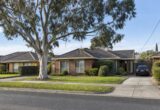
What First Home Buyers Should Know About Established Homes
Established homes can be appealing to first-home buyers because they often come with existing neighbourhoods, mature gardens and a clearer sense of how the property lives day to day. They also bring questions that a new build may not.
The first check is finance. A pre-approval is useful, but buyers should still understand repayments, stamp duty, settlement costs, insurance, moving costs and an early repairs buffer. A home that stretches the loan limit can become difficult if the roof, heating or plumbing needs attention soon after settlement.
Grants and concessions need current advice. Eligibility can depend on price, property type, residency, contract timing and whether the home is new or established. First-home buyers should check the rules directly and get professional advice before assuming a concession applies.
Building condition matters more than fresh styling. Paint and furniture can hide tired gutters, old wiring, drainage issues, damp, cracking, poor insulation or outdated heating. A building inspection does not remove all risk, but it helps buyers understand what they are taking on.
Established apartments and townhouses add another layer. Owners corporation fees, rules, repairs, insurance and minutes can affect affordability and future plans. A cheaper purchase price may not feel cheap if levies are high or major works are looming.
Settlement timing should suit both the contract and the buyer’s life. Renters need to manage lease end dates, moving costs and utilities. Buyers living with family may have more flexibility, but they still need to coordinate finance approval, deposit payment and legal review.
The best first-home purchase was not the one that looked perfect online. It was the one where the buyer understood the contract, the condition and the true cost of holding the home.
This article is general information only and doesn’t take your personal circumstances into account. It is not financial or legal advice. Before acting, consider seeking advice from a qualified professional such as a licensed broker, conveyancer or solicitor.