What It Means When a Home Has Been on the Market a While
Most buyers scrolling through listings develop a quiet suspicion about any home that has been advertised for a while. The assumption is usually that something must be wrong with it, and that the longer a property sits, the more likely it is hiding a problem. Sometimes that instinct is right. Often it is not, and buyers who understand the difference can find themselves in a far calmer negotiation than the ones competing for a brand new listing.
Time on market is simply a measure of how long a property has been publicly advertised. In Victoria it is easy enough to gauge, because portals show when a listing first appeared and agents can tell you the campaign history if you ask. What the number cannot tell you on its own is why. A home may have been launched at a price the market did not agree with, photographed poorly in the middle of winter, listed during a school holiday period when local buyers were away, or taken to auction on a weekend when three similar homes in the same pocket were competing for the same audience.
Price is the most common reason. A campaign that opens above what comparable sales support will attract inspections but few offers, and the feedback loop takes weeks to complete. By the time the price expectation has adjusted, the listing has already lost the burst of attention that comes in the first fortnight. That is a pricing story rather than a property fault, and it is one that often ends with a sensible result for a buyer who arrives late and unhurried.
Presentation is the next reason. Homes that are tenanted, part-renovated or heavily furnished can be hard for buyers to read, and photographs that do not do the floor plan justice will thin out the crowd at the open home. Layout quirks matter too. A bedroom that can only be reached through another room, or a kitchen at the far end of the house, will narrow the pool of interested buyers without saying anything about the building’s condition.
Then there are the reasons that genuinely deserve caution. Structural movement, water damage, unapproved building works, boundary or easement issues, or an owners corporation with a known dispute or a major upcoming levy will all slow a sale down, and they should change what you are willing to pay. This is where a longer campaign becomes useful information rather than a warning to walk away. You have time to order a building and pest inspection, to read the section 32 statement carefully, and to have your conveyancer or solicitor look at anything unusual before you commit.
Asking direct questions helps. It is reasonable to ask how long the home has been advertised, whether it has been listed before and withdrawn, whether it was passed in at auction, and what feedback the seller has heard on price. Agents in Victoria are required to be accurate in what they tell you, and most will answer plainly. If a property was relisted after a break, the total time on market is longer than the current listing suggests, which is worth knowing before you decide how to approach an offer.
The practical advantage of a longer campaign is the change in tempo. Early in a campaign the seller is still testing the market and is usually unwilling to negotiate. Later, the seller has heard weeks of feedback, may have already bought elsewhere, and is often thinking about certainty rather than the top of the range. Offers that come with a clean, workable settlement period or fewer conditions can carry real weight in that context, sometimes more than a slightly higher number attached to a complicated contract.
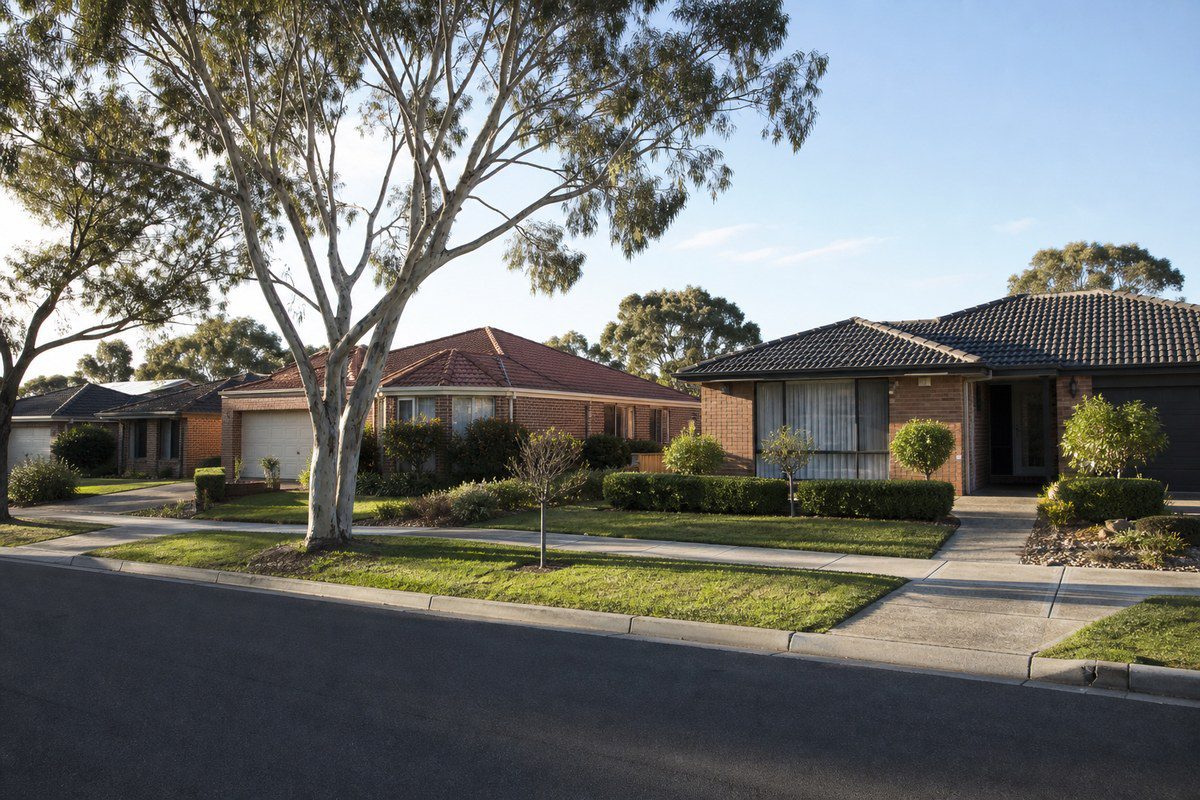
Across Melbourne’s north, where much of the stock is established brick homes on generous blocks, the homes that linger are frequently the ones that need updating rather than the ones with something to hide. Buyers who are comfortable with a kitchen from another decade often do well from that gap in perception.
None of this is a reason to skip the usual checks. Do the inspections, read the documents, and take advice on anything that concerns you. But a listing that has been around a while is a question to investigate, not a verdict, and answering that question properly is often where the value sits.